
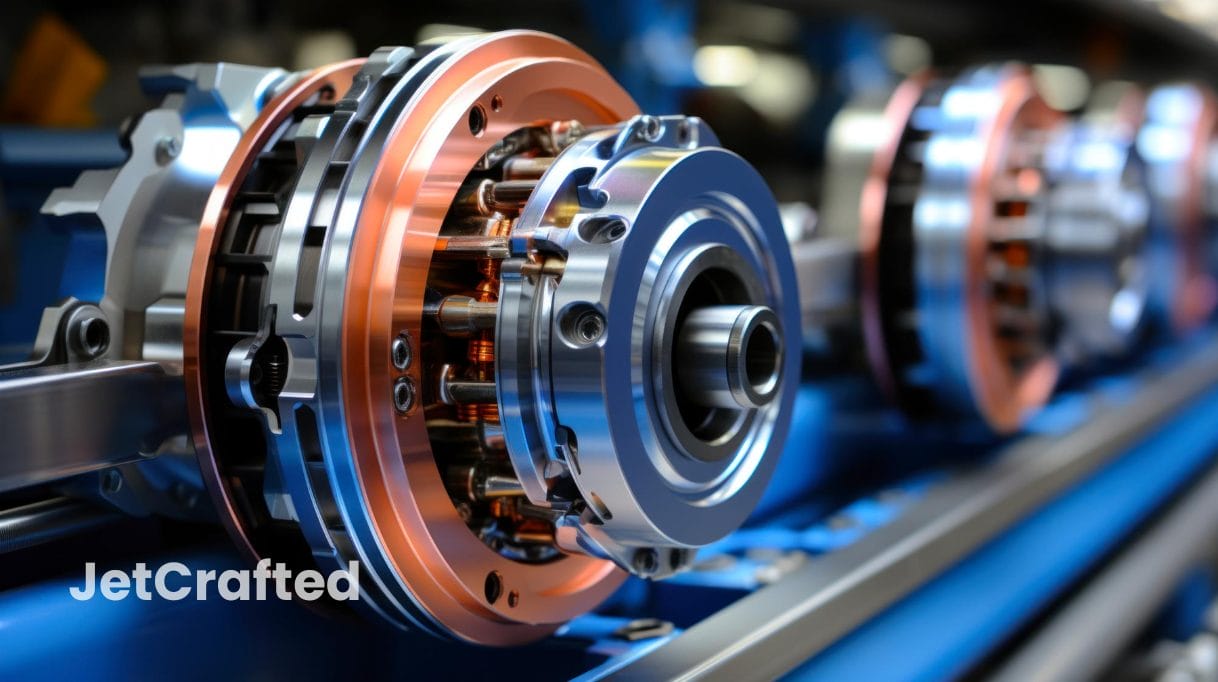
At the heart of modern industry is the computer numerical control (CNC) lathe, a powerful tool that has revolutionized the way we create parts with its precision. Whether you’re familiar with CNC turning or you’re intrigued by its potential for your projects, understanding the CNC lathe advantages and disadvantages is vital.
Yet, as you further explore CNC lathe technology, you will find questions like, “What is CNC turning?” and “What is the difference between a CNC lathe and a conventional lathe?” Stay with us as you navigate through the application benefits of CNC lathe machines and their potential drawbacks.
Advantages of CNC Lathe Machines
You’ll quickly discover plenty of benefits of CNC lathe that make these machines an asset in modern manufacturing.
Continuous Operation & Consistency
One of the most important advantages of CNC lathe is its ability to operate continuously without needing constant manual intervention. This translates into the production of parts that have precise dimensions, ensuring that every piece meets high standards.
Precision Machining
The high precision and accuracy of CNC lathes are unparalleled when it comes to producing consistent parts. This significantly reduces the margin for error that can often occur with manual operations.
Complex Shapes & Geometries
When your project requires complex shapes and geometries, milling machines help. These machines can make designs that might be challenging to achieve with manual machines, allowing you to expand your product list. Whether you’re working with metals or plastics, CNC lathes are adept at handling a wide range of materials.
Efficient Prototyping
With CNC programming, you can expect reduced setup times, which is particularly efficient for prototyping and small-batch production. This means you can transition between projects swiftly without sacrificing quality or time.
Improved Safety
Safety is paramount in any workplace, and CNC lathes offer an improved safety profile by minimizing direct human interaction with heavy machinery. This reduces the risk of workplace accidents, creating a safer environment for everyone involved.
Long-Term Budget Savings
CNC lathe provides cost savings, positioning you at the forefront of efficiency and innovation. Consider how these savings can align with and enhance your production goals as you weigh the CNC turning advantages and disadvantages.
Disadvantages of CNC Lathe
While the advantages of using a CNC lathe are numerous, it’s essential to consider the disadvantages of CNC lathe machines and understand their impact on your manufacturing.
Initial Investment & Operating Costs
It can be an especially challenging factor for small businesses or individual manufacturers. The initial investment extends beyond the purchase price, taking into account the maintenance and repair costs that can be gathered over time.
Specialized Training
CNC lathes need operators who must be well-trained in setting up, programming, and managing these sophisticated machines. This requirement for specialized skills can impact your team’s productivity.
Job Displacement
CNC lathes’ efficiency means fewer hands are needed, potentially leading to unemployment as these machines take over tasks previously performed by manual operators.
The shift towards automation may also result in a decline in the development of intricate manual skills as educational institutions prioritize CNC training over traditional methods.
Energy Consumption & Waste
The high energy demands and waste generation of CNC lathes contribute to environmental concerns and increased operational costs. The CNC turning advantages and disadvantages can help to better assess whether the benefits of CNC lathe align with your specific needs and circumstances.
Remember that while CNC lathes offer precision and efficiency, the “what is CNC lathe machine” question also encompasses these potential drawbacks.
Do the Advantages Outweigh the Disadvantages?
Assessing whether the advantages of CNC lathe technology outweigh the disadvantages depends on individual production needs and long-term goals. Here’s a closer look at how the scales might tip.
Increased Productivity and Consistency
The ability of CNC machines to operate non-stop, with the only pause being for maintenance, is a significant benefit. The consistency this brings to your operations means you can trust that the thousandth part will match the quality of the first, with an impressive reduction in rework.
Flexibility and Accessibility
Your ability to program these machines to produce complex parts in various shapes and sizes allows for versatility in product design. CNC lathes are generally more accessible in terms of cost compared to CNC machining centers, and their simpler programming makes them more user-friendly, especially for smaller businesses looking to expand their capabilities.
Cost Considerations and Operational Limitations
The high initial cost and the expense associated with single-piece productions are significant considerations. The higher cost and increased complexity of CNC machining centers need more skilled operators, potentially adding to the labor costs.
While the initial investment is significant, the long-term benefits of CNC lathe technology, such as labor cost savings, material flexibility, and improved safety, often present a convincing case.
Biggest Application Benefits of CNC Lathe Machines
Understanding CNC lathe advantages and disadvantages includes discovering the impact these machines have across various industries. Here are some of the most significant application benefits CNC lathes bring.
Precision Engineering Across Industries
The versatility of CNC lathe machines makes them vital in sectors that demand high precision, such as the automotive and aerospace industries. In medicine, producing complex parts quickly and accurately can be life-saving.
The construction industry, too, benefits from the precise components that CNC lathes produce, ensuring the strength of our buildings.
Efficiency
The precision of these machines can be up to ten times more accurate than manual cutting, saving materials and reducing costs in the long run. By reducing human error, you can expect a consistent production of complex parts, ensuring that each piece fits perfectly the first time, every time.
Safety and Sustainability
Enhanced safety is one of the best advantages of using a CNC lathe. Isolating the human factor significantly reduces the risk of accidents, fostering a safer work environment.
They optimize energy usage, which is good for your business and the planet. This sustainable approach to manufacturing is becoming increasingly important as industries strive to reduce their carbon release.
Conclusion
By exploring CNC lathe technology, we navigate the intricate terrain of its advantages and challenges, acknowledging its significant impact on modern manufacturing practices. The precise engineering, consistent quality, and operational efficiency CNC lathes provide take into consideration the initial investment and skill requirements. These factors shape the decision-making process for businesses contemplating the integration of CNC lathes into their work – the end goal being to align with the needs of their production and finances.
FAQs
1. How does a CNC lathe operate?
CNC lathes are typically 2-axis machines where the cutting tool is fixed in a turret while the main spindle rotates the workpiece. This setup allows for precise and efficient machining of parts. Modern CNC lathes may include cutting tools, multiple axes, and sub-spindles for more complex operations.
2. What materials are suitable for CNC lathes?
Brass, bronze, and mild steel are suitable materials for CNC lathes, handling diameters up to 4″ or 6″.
3. Can CNC lathes be programmed directly on the machine?
Yes, program CNC lathes using a modern CNC Programming Support System directly on the machine or off-line using a CAD/CAM system, offering flexibility based on your workflow and expertise.