
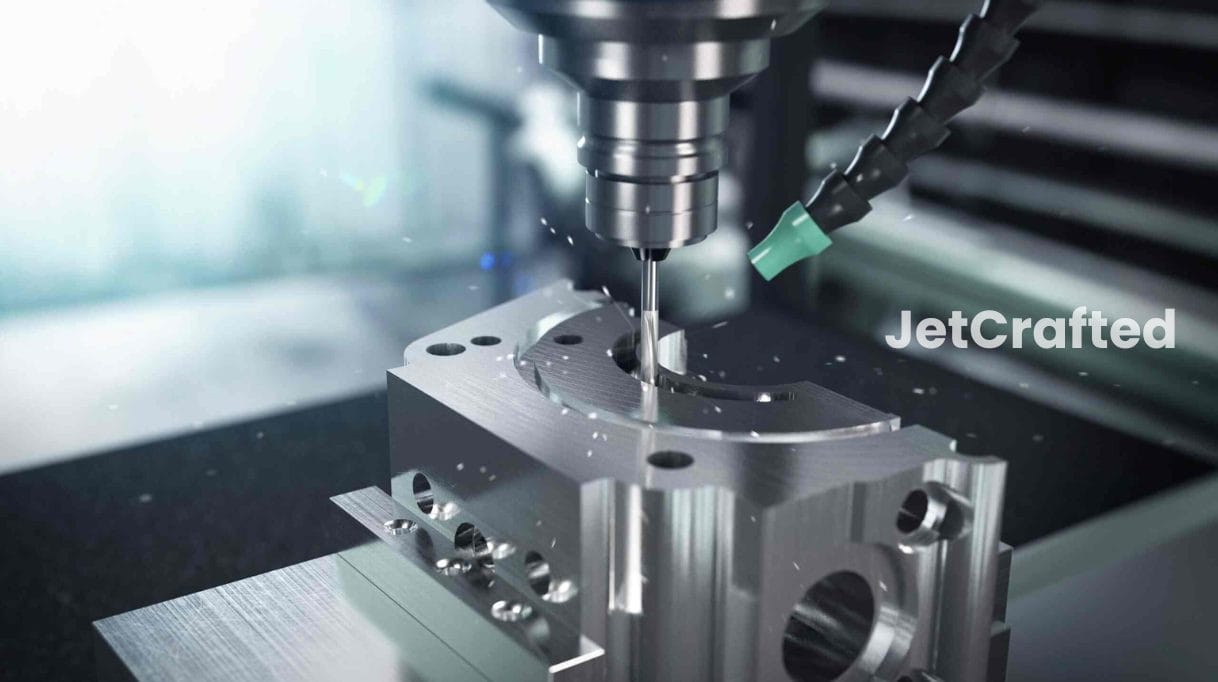
CNC, also called Computer Numerical Control, is widely known among manufacturers as a market valued at $76 billion. CNC milling machines are precise, efficient, and versatile. Despite that, you must consider some advantages and disadvantages of CNC milling machine before purchasing this type of equipment.
We can help you delve into the benefits and drawbacks of CNC milling machines, highlighting their versatility and including potential problems. What can you make with a CNC milling machine? We offer ideal solutions for custom-tailored projects, including geometrical-shaped parts, sharp edges, and enhanced power.
CNC Milling Machine Advantages
CNC milling machines have entered the manufacturing industry and positively impacted, showcasing their unique features, including precision, efficiency, and versatility. But, it’s important to outline both the advantages and disadvantages of CNC milling machine to help you determine whether it’s the right choice for your needs.
While these machines have some drawbacks, the benefits make them worth the cost and indispensable for high-quality manufacturing processes. So, let’s learn the positive sides of CNC milling machines:
Precision
CNC milling machines are advantageous due to their unmatched precision in producing specific and highly resilient parts. They can provide high levels of accuracy, making them ideal for unique designs and critical components.
Efficiency
One of the most important advantages of CNC milling machine is its power to operate with unmatched speed and efficiency. This leads to higher productivity and production time reduction.
These machines are characterized by their efficiency in performing multiple operations simultaneously, minimizing manual intervention and maximizing output. They can work for as many hours as needed without breaks, except for occasional maintenance needs.
Versatility
CNC milling machines can work with different materials, including metals, plastics, and composites, expanding their application across various industries. They can execute diverse machining services such as drilling, proper usage of cutting tools and contouring, resulting in production versatility.
Automation and Consistency
CNC milling machines have automated features to help reduce the reliance on manual labor. Also, the consistency of the quality across batches is guaranteed. They can repeat the same precise movements, leading to uniformity in the manufactured parts.
Complex Geometries
The most popular feature that draws customers to CNC milling machines is their capability to produce complex geometries. CNC machinery uses advanced software and tools to create intricate geometries that may be challenging or impossible to achieve by manually operated machines.
Cost-Effectiveness
Many consider CNC milling machines to be an excellent investment. However, they don’t know that purchasing one of these can lead to cost savings in the long run. This is due to reduced labor costs, minimized material wastage, and enhanced efficiency.
CNC Milling Machine Disadvantages
It’s essential to focus on all aspects when examining the advantages and disadvantages of CNC milling machine. The limitations of milling machines may be minimal, but they are worth considering. Here are some disadvantages of CNC milling machines.
Initial Cost
Purchasing and setting up a CNC milling machine involves significant initial investment. This may be a determining factor for small businesses and startups that still haven’t made enough profit to afford such machines at the current stage. On top of that, frequent investment in CNC machines may lead to reduced labor requirements and employees losing their jobs.
Maintenance and Training
CNC milling machines require regular maintenance and upkeep to ensure they reach ideal or highest performance expectations. This process makes the general operational costs more costly. Also, operators need specialized program training to operate these machines effectively. However, this is not time-effective nor affordable.
Complexity of Programming
The creation of CNC programs involves a certain level of expertise and computer literacy. It also demands an understanding of machining processes, potentially posing a challenge for inexperienced operators CNC machines.
Limited Flexibility
While CNC milling machines work well at performing repetitive tasks, they might lack the flexibility to suit unexpected changes in design or adapt to small production runs quickly and efficiently.
Risk of Errors
Human error in operating machines is very common. Despite their high precision, CNC milling machines are also vulnerable to errors. These can stem from programming mistakes, tool wear, or machine malfunctions, requiring constant vigilance.
Dependence on Power and Software
The implementation of design software is key to ensuring the proper functioning of a CNC milling machine. But, due to their heavy reliance on uninterrupted power supply and functioning software, they are prone to disruptions that can negatively impact production.
Are CNC Milling Machines Worth It?
CNC milling solutions can be expensive. This is because they require a high level of accuracy and automation. Many manufacturers have been interested in CNC milling recently due to its advantages.
The pros of CNC milling machines outweigh the cons. They are powerful machines for businesses striving to achieve high-quality manufacturing standards. Their precision, efficiency, versatility, and reasonable pricing make them vital for the aerospace, automotive, medical, and consumer goods industries.
While initial investments and specified skill requirements may sound challenging, the everlasting benefits in terms of quality, productivity, and innovation make CNC milling machines a worthy investment for any manufacturing process.
Conclusion
When comparing the advantages and disadvantages of CNC milling machines, we find they are precise, efficient, and versatile. However, some find operating them challenging due to their initial costs, maintenance requirements, and programming complexities.
Understanding these pros and cons is crucial for businesses and manufacturers to determine whether the features of CNC machines suit their specific production needs. If you need further guidance, Jetcrafted is always here to provide information on key specifications, price ranges, and automated features.
CNC milling machines have a far-reaching influence across various industries. They allow manufacturers to create precise, efficient, and high-quality fabrication processes. The diverse capabilities of CNC machining make it a vital technological asset in numerous industries, supporting innovation and setting new standards for quality and precision in manufacturing.
FAQs
1. Is cost the main drawback of using CNC machines?
CNC machines are considered costly since they require a higher initial investment than manually operated machines. However, as this technology progresses, the supply may increase, leading to costs decreasing at a gradual pace.
2. What industries can benefit from CNC machines?
The advanced features of CNC machining can be used to create specific products and machine parts that suit the needs of various industries, including aerospace, medical, electronics, and defense.
3. Where can I purchase cost-effective but high-quality CNC machines?
After discovering the advantages and disadvantages of a CNC milling machine, you are likely searching for a trusted place to purchase one. Look for a reputable service, like Jetcrafted, selling affordable yet efficient machines to make it worth your investment.