
In the world of precision manufacturing, manufacturers rely on different types of grinding methodologies to turn unprocessed materials into complex and detailed components. Most conventional grinding methods satisfy the grinding needs of most industries, but recent technology advancements now allow for more practical options.
Enter CNC (Computer Numerical Control) grinding machines, a technology that has transformed the landscape of fine machining in recent years. So, how exactly can you use CNC machining for your special grinding needs?
With the aim of showing why you should consider this cutting-edge technology to streamline your manufacturing processes, that is exactly what we’ll cover in this article. So, let’s dive in and explore the key advantages of CNC grinding machines over more traditional methods.
Advantages of CNC Grinding vs. Conventional Methods
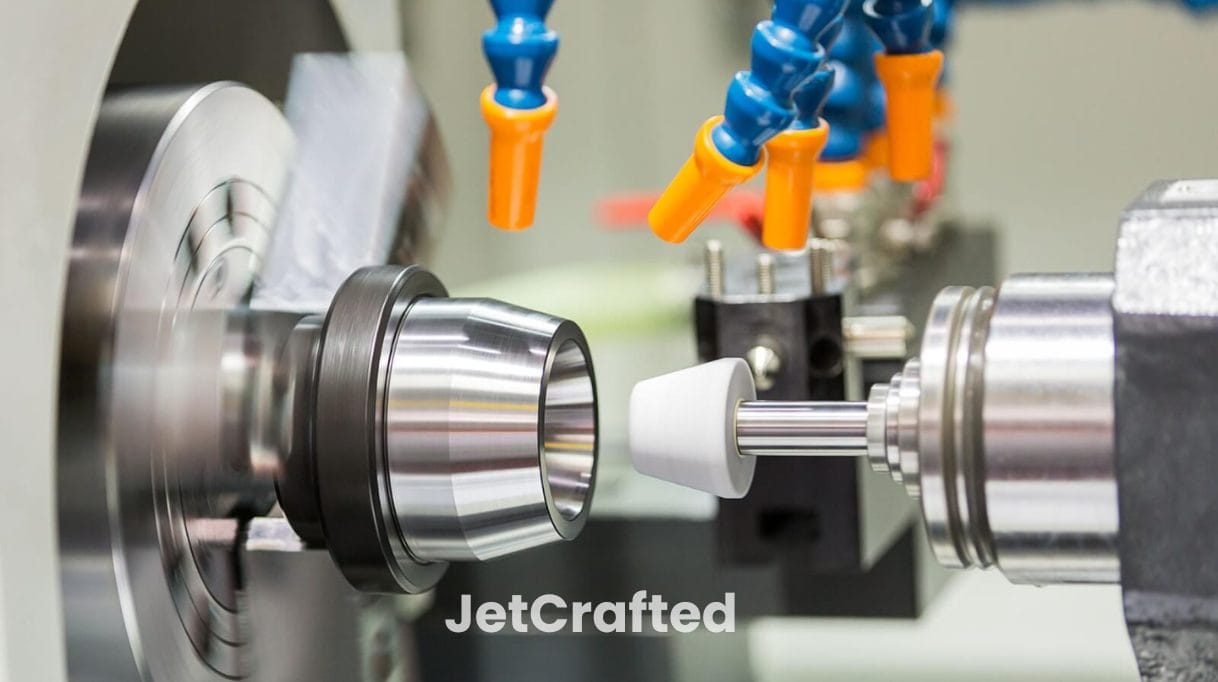
Let’s start at the very beginning – what is CNC grinding exactly? The term refers to a grinding process that’s controlled by a computer and is completely automated, as opposed to grinding methods featuring human operators. It relies on grinding wheels to remove material from workpieces, resulting in a refined surface finish on metal products.
The key difference between CNC machining and conventional methods lies in the automation of the process. With computer-controlled accuracy guiding the process, CNC grinding is a superior production rate, speed, and precision method. In CNC machining, the need for meticulous setup and manual gear adjustments is rendered pretty much unnecessary.
At this point, conventional machining is much more cost-effective for small-quantity projects, but CNC machining takes over when you require larger operations.
To help paint a clearer picture, imagine a part with precise and complex specifications. A CNC machine can achieve the specific task more efficiently and use fewer machine tools.
- Improved Accuracy. The uncanny capability to operate with extreme levels of precision is one of the crucial advantages of a CNC grinding machine. Guided by computerized control, they surpass the capabilities of human-operated counterparts, eliminating manual intervention errors. The consistency that CNC machining helps achieve is the reason why the process is so reliable and operates with high precision.
- Seamless Automation. A standout feature of CNC grinding is integrating automation in the process of removing materials from the workpieces. Computer regulation allows for continuous operation with minimal manual intervention and a neglectable number of errors. Pretty awesome, right?
- Flexibility in Design. CNC machines redefine design and customization in manufacturing processes. Intricate programming allows these machines to adapt quickly to diverse grinding applications and allows you to meet a wide range of varying specifications.
- Reducing Human Error. The introduction of CNC grinding is important in decreasing the risk of human errors associated with the process. Achieving consistency by way of automating grinding processes ensures a higher surface quality of the end product. Traditional surface grinding methods, in contrast, rely on the operator’s skill.
- Cost-Effectiveness. Apart from the initial purchase and setup investment, A CNC machine is a cost-effective long-term solution. It’s simple. With improved overall efficiency and a greatly reduced production time, production costs are far smaller than traditional methods.
- Lessen Impact on the Environment. CNC grinding machines aren’t just efficient but also environmentally friendly. Since energy efficiency is factored into the design, they directly contribute to a smaller footprint than traditional methods.
- Prioritizing Workplace Safety. Safety is crucial in any type of manufacturing, which CNC grinding machines address through integrated safety features. The risks related to manual grinding processes are significantly minimized.
Industries Transformed by CNC Precision
Differnet industries directly benefit from the advantages brought by the CNC grinding process. Let’s dive deeper into the vast array of applications across different industries where CNC technology makes a difference:
- Aerospace Engineering. One major industry that relies on CNC grinding is the aerospace industry, given the need for extreme precision and reliability for producing key industry components. CNC grinding is crucial in the production of very complex industry components along the lines of turbine blades.
- Medical Device Manufacturing. Precision is paramount in the medical industry, which requires the production of intricate instruments and parts that cannot differ in any aspect of their design or performance. CNC grinding provides much-needed consistency during the production of complex industry designs, enabling a wide variety of applications.
- Automotive Industry. CNC grinding is integral in crafting components that improve vehicle performance and help increase safety in the automotive sector. On top of the sharp accuracy of CNC grinding technology, the industry also greatly benefits from large-scale production’s efficiency and cost-effectiveness.
- Tool and Die Making. CNC grinding machines excel in the world of tool-making. They offer versatility for complex geometries. Tools grinding machines take center spot in the production of molds filled with intricate details. CNC technology provides you with the flexibility and customization range to meet diverse requirements.
- Energy Sector. In the energy sector, parts must withstand extreme conditions, so the precision of CNC precision truly comes in handy. Whether it’s detailed turbine components in a power plant or specialized renewable energy equipment, the accuracy and precision of this type of grinding ensure seamless day-to-day operation.
CNC Grinding Disadvantages
Before deciding on trying out CNC grinding for your needs, it’s prudent to weigh both CNC grinding machine advantages and disadvantages. The following are some of the main potential disadvantages of grinding machines of CNC grinding:
- Dust Accumulation. CNC grinding machines produce a lot of dust when you operate them, resulting in particles that might be harmful to the environment. This can be remedied by ensuring adequate ventilation and filtration.
- Maintenance Demands. CNC grinding machines require regular maintenance of elements such as abrasive wheels and belts that tend to wear out over time, which also affects the cost of production.
- Heat Generation. CNC grinding machines generate a lot of heat during the operative process. This heat can influence the workpiece, causing it to warp or distort.
Conclusion
Whether it is improved precision, better flexibility, or long-term cost-effectiveness, CNC grinding technology introduces a new era in the realm of manufacturing. This transformation is a result of long-term benefits that emerge from making the switch to CNC grinding processes.
The clear advantages of CNC grinding take your machining processes to the next level, allowing you to stay ahead in your industry. Modern CNC grinding services allow you to explore all the possibilities stemming from the use of the technology. The technology is applicable across all kinds of industries, guaranteeing high precision and reliability in each.
FAQs
1. What materials can be processed using CNC Grinding?
CNC grinding is capable of processing a wide range of materials, such as different metals, ceramics, and plastics.
2. What are the skills I need to operate a CNC Grinding machine?
Operating a CNC grinding machine requires an understanding of the machine’s software, a grasp of the advantages and disadvantages of the cylindrical grinding machine process, and adherence to safety protocols.
3. Can CNC Grinding machines work with CAD/CAM software?
Yes, integrating with CAD/CAM software is available for CNC grinders. It allows for automated, precise machining from digital designs.