
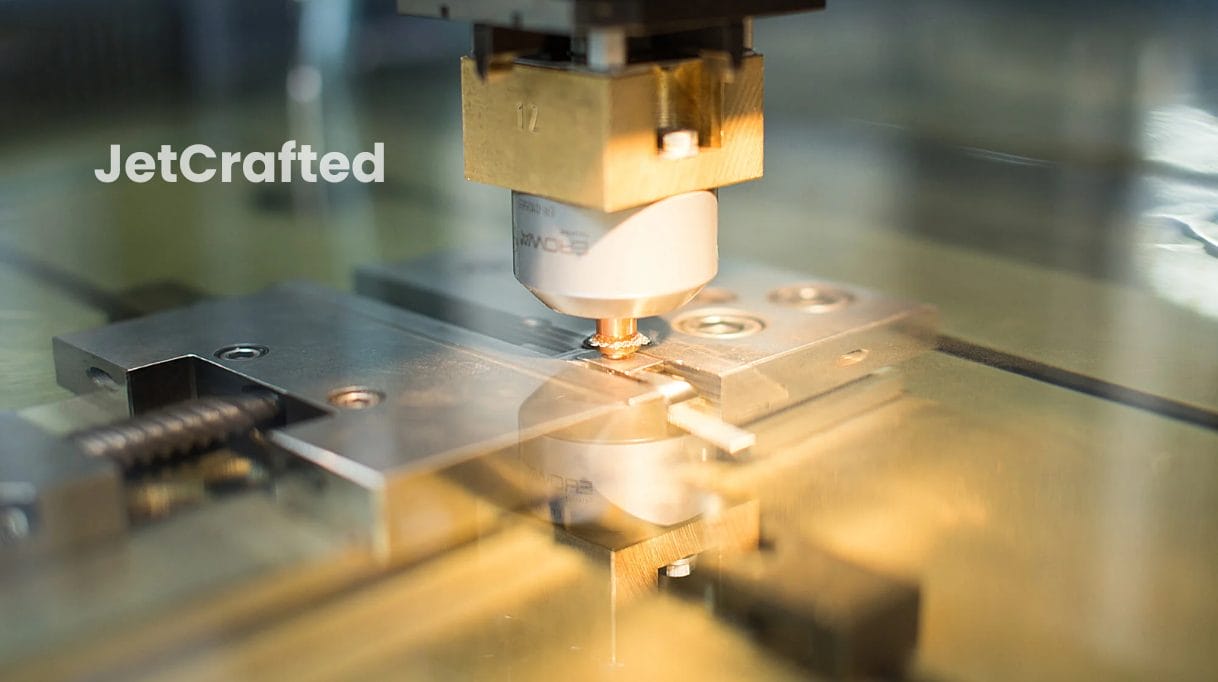
In today’s competitive manufacturing environment, uncovering the cost implications of various processes is crucial for businesses to make proper decisions and remain profitable. The electrical discharge machining cost is a significant consideration for companies using this advanced manufacturing process.
By comprehensively evaluating the factors contributing to EDM costs, you can strategically assess the economic feasibility of employing EDM for specific projects, compare it with traditional machining methods, and identify opportunities for cost savings.
Moreover, a thorough grasp of EDM costs enables businesses to accurately estimate project budgets, evaluate the profitability of potential contracts, and make informed investment decisions regarding equipment and process improvements.
This article highlights the importance of understanding EDM costs and the main cost-contributing factors. It also explains how EDM compares with traditional machining methods in terms of cost-effectiveness for anyone who wants to learn how much does electric discharge machining cost.
The Importance of Understanding EDM Costs
To learn what is electrical discharge machining (EDM), you must remember that it has been commonly displayed as one of the most useful non-traditional machining techniques. This is because it meets the needs of the current manufacturing sector by offering the production of intricate geometries with curves using various engineering materials.
Understanding the electrical discharge machining cost is vitally important in the manufacturing business. By comprehensively evaluating the factors contributing to EDM costs, businesses can accurately estimate expenses, set competitive pricing, and optimize operational efficiency.
The Significance of Cost Considerations in Manufacturing Processes
In the world of manufacturing, cost considerations are essential in ensuring the economic viability of production processes. Uncovering the electrical discharge machining cost is crucial for manufacturers to take advantage of its cost-effective nature.
Understanding EDM costs significantly impacts decision-making in the manufacturing industry. This understanding allows businesses to make better decisions regarding the financial performance and competitiveness of manufacturing operations.
Main Factors Contributing to EDM Costs
Several key factors contribute to the electrical discharge machining cost. Machine time and labor costs are significant components, with longer machining times and skilled labor directly impacting expenses.
Additionally, electrode expenses, reflecting the quality and wear rates of electrodes, contribute to the overall cost of the process. Energy consumption is another influential factor, with the efficient management of energy requirements directly impacting cost control. Understanding the following factors is essential for manufacturers to accurately assess the economic viability of EDM:
Machine Time and Labor Costs
The duration of machining time directly influences electrical discharge machining cost. Factors such as wire unspooling rates, feed rates, and cutting speeds impact the duration of the machining process, thereby influencing costs.
Labor Costs Associated with EDM Operations
Skilled labor is essential for operating a wire EDM effectively. The expertise required for tasks such as setting up the machine, auto-threading, and monitoring the EDM process contributes to labor costs. Efficiently managed labor can help optimize machine usage, reducing overall operational costs.
Material Costs
Exotic or high-performance materials may command higher prices, directly impacting the overall cost of the EDM process.
Impact of Material Properties on EDM Costs
Harder materials may result in increased tool wear and longer machining times, consequently elevating the overall cost of the process.
Electrode Costs
Electrodes play a crucial role in the EDM process, acting as the tool through which electrical discharges erode the workpiece. The quality and condition of electrodes directly impact the machining accuracy and surface finish.
Factors Influencing Electrode Costs
Several factors influence electrode costs, including the type of electrode material, electrode wear rates, and the complexity of the workpiece. Optimizing electrode usage and reducing wear can help manage electrical discharge machining costs effectively.
The energy requirements of EDM are significant, with the process consuming electrical energy to generate the electrical discharges necessary for material removal. Implementing strategies such as an EDM machine that runs unattended, optimizing machining parameters for reduced energy consumption, and investing in energy-efficient EDM equipment can contribute to cost savings by minimizing energy expenses.
The Cost of Wire Electrical Discharge Machining
The Wire EDM cost per hour can vary depending on several factors, including the specific machine being used, the material being machined, the desired precision, and the overall complexity of the workpiece.
Understanding these cost components and using cost estimators can help manufacturers and service providers make informed decisions regarding the economic viability of Wire EDM projects. It can also help them learn is wire EDM expensive, how to optimize operational efficiency, and accurately price their services to ensure profitability.
Generally, the Wire EDM cost per hour includes machine depreciation, electricity consumption, wire consumption, labor costs, and maintenance expenses. The hourly rate can range from $60 to $200 or more, depending on these factors and the geographic location of the machining facility.
Wire EDM Cost Estimator
A wire EDM cost estimator takes into account various factors such as material type, workpiece complexity, desired precision, wire consumption, EDM wire price, electricity costs, and labor expenses.
Online tools can help you estimate Wire EDM costs based on particular specifications. These estimators can help manufacturers and machining service providers accurately calculate the cost of Wire EDM projects, allowing for better project planning and cost control.
Wire EDM Machine Cost:
The Wire EDM machine cost can vary based on its characteristics, cutting speed, and precision. Basic models of Wire EDM machines can cost around $100,000, while high-end models with more modern and automated features can exceed $500,000 and add to the cost of operating a Wire EDM machine.
Cost Comparison with Traditional Machining Methods
When comparing the electrical discharge machining cost with traditional machining methods such as milling, turning, and grinding, several considerations come into play. While EDM may involve higher initial equipment and tooling costs, its ability to efficiently machine intricate and complex geometries, work with hardened materials, and achieve fine surface finishes can lead to cost savings in specific applications.
In contrast, traditional machining methods may offer lower initial setup costs but can be limited in their ability to handle intricate shapes and hardened materials, which can lead to higher tooling and material costs.
Understanding these variables is crucial for manufacturers to determine the most cost-effective manufacturing approach for their specific applications. Overall, while EDM may entail certain costs, its unique capabilities can result in substantial overall cost reductions in scenarios where traditional methods may be less efficient or effective.
EDM offers distinct advantages over traditional machining methods in certain scenarios, especially for the production of complex, intricate parts and components. While traditional methods like milling, turning, and grinding have their merits, EDM’s ability to machine intricate shapes and hardened materials sets it apart.
Benefits of EDM in Cost Savings
EDM’s ability to achieve intricate geometries, produce fine surface finishes, and work with challenging materials can lead to substantial cost savings in various applications. For example, in aerospace parts manufacturing, EDM’s capability to produce complex, high-precision components can result in significant overall cost reductions.
In addition, we listed and explained some of the most important benefits electrical discharge machining offers and how they result in cost savings:
- Intricate Geometries: EDM can efficiently produce complex and intricate part geometries that may be challenging or impractical to manufacture using traditional machining methods. This capability can reduce the need for multiple setups and secondary operations, ultimately saving time and costs associated with complex part production.
- Hardened Material Machining: EDM is well-suited for machining hardened materials that are difficult to process using conventional methods. By eliminating the need for pre- or post-heat treatment, EDM can lead to cost savings in material and processing expenses.
- Fine Surface Finishes: EDM can achieve exceptionally fine surface finishes, often eliminating the need for polishing or grinding. This can reduce the overall processing time and associated costs.
- No Cutting Forces: As EDM does not exert cutting forces on the workpiece, delicate or thin-walled parts can be machined without the risk of distortion or damage, potentially reducing scrap rates and material wastage.
- Burr-Free Machining: EDM produces burr-free edges, reducing the need for deburring operations and associated labor and time costs.
- Part Complexity: EDM excels at machining intricate features and contours, offering a cost-effective solution for producing highly detailed parts without the need for specialized tooling or fixtures.
Cost-effective Professional Assistance
By leveraging the expertise, resources, and scalability offered by professional EDM service providers, manufacturers can benefit from cost savings, improved productivity, and enhanced operational efficiency, making outsourcing EDM a cost-effective solution for many businesses.
Hiring a professional service for Electrical Discharge Machining (EDM) can be cost-effective for manufacturers due to several reasons:
- Specialized Expertise: Professional EDM service providers have specialized expertise and experience in utilizing EDM technology efficiently. This expertise can lead to optimized machining processes, reduced material waste, and improved overall efficiency, contributing to cost savings.
- Reduced Initial Investment: Outsourcing EDM to a professional service eliminates the need for manufacturers to invest in expensive EDM equipment and related infrastructure. This can result in significant cost savings, especially for businesses with occasional or specific EDM requirements.
- Access to Advanced Equipment: Professional EDM service providers often have access to state-of-the-art EDM equipment, including high-precision machines and advanced tooling. This allows manufacturers to benefit from the latest technology without the capital investment required to purchase and maintain such equipment.
- Quality Assurance: Reputable EDM services provide quality checks to guarantee precision and consistency. This can lead to reduced rework and scrap rates, ultimately saving costs associated with material wastage and additional processing.
- Scalability and Flexibility: Professional EDM services can adapt to different production demands, offering scalability and flexibility without the need for manufacturers to invest in additional equipment or workforce, resulting in cost-effective production management.
Conclusion
Exploring the electrical discharge machining cost is fundamental for manufacturers seeking to optimize their production processes and remain competitive. By comprehensively evaluating the factors contributing to EDM costs and comparing its cost-effectiveness with traditional machining methods, you can make informed decisions that positively impact your outcome.
By carefully considering the factors influencing EDM costs and comparing its cost-effectiveness with traditional machining methods, you can effectively manage their manufacturing expenses and enhance their competitive position in the market. You can also work with professional services like Jetcrafted for the most cost-effective and efficient solution.
FAQs
1. How much does electrical discharge machining cost?
The cost of electrical discharge machining can vary based on factors such as machine time, labor costs, material properties, electrode expenses, and energy consumption. Understanding these cost components is essential in estimating the overall cost of EDM operations.
2. Is wire EDM expensive?
While the electrical discharge machining cost is considerable, its ability to produce intricate parts, work with challenging materials, and achieve fine surface finishes makes it a valuable and cost-effective manufacturing process in various applications. Understanding the cost considerations associated with a wire EDM machine is crucial for businesses evaluating its economic feasibility.