
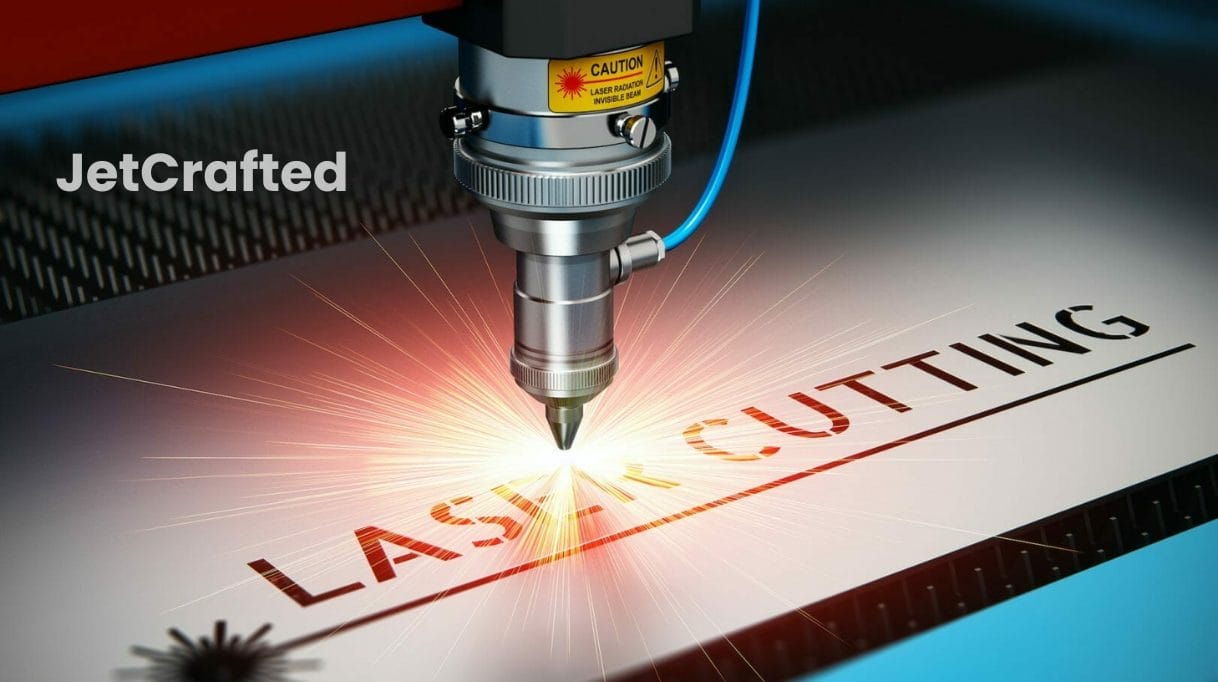
In the world of metal fabrication, laser cutting stands as a versatile and efficient cutting method. Thus, the market for laser-cutting machines is valued at $6,832.8 billion. This article explores the laser cutting advantages and disadvantages, shedding light on its effectiveness and potential limitations. We also provide some key considerations for laser cutting operations.
Offering our expertise and experience in this field, we will also explain why laser cutting is widely used in various industries and how its potential for future advancements seems promising.
What Is Laser Cutting: A Brief Explanation
Many wonder what is laser cutting. In layman’s terms, it is a precise cutting method that uses a high-power laser to cut metal materials. It can also cut plastic, wood, rubber, and other material. The procedure involves the creation of a melting or burning light beam to deliver a high-quality surface finish.
Advantages of Laser Cutting
Understanding the advantages of laser cutting is crucial for businesses and manufacturers seeking to optimize their cutting processes. By discovering laser cutting benefits, such as precision, versatility, minimal material waste, speed, and the ability to handle complex geometries, you can make informed decisions about their manufacturing methods.
This knowledge empowers you to improve efficiency, reduce production costs, and enhance the quality of your products, ultimately gaining a competitive edge in the respective industries. Here are the advantages of laser cutting explained in detail:
- Precision and Accuracy: Laser cutting provides unmatched precision and accuracy. The light beam aids in creating intricate and detailed cuts.
- Versatility: Laser cutting machines can effectively cut numerous materials including stainless steel, aluminum, and titanium. This makes it ideal for diverse manufacturing needs.
- Reducing Material Waste: Unlike traditional cutting methods, laser cutting helps to reduce material waste. The narrow kerf width and high cutting speeds lead to a reduced environmental impact.
- Speed and Efficiency: Laser cutting is known for its high cutting speeds and efficiency. The automated nature of laser-cutting machines enables swift production, contributing to overall productivity and reduced lead times.
- Complex Geometry Machining: Laser cutting offers the ability to intricately cut complex shapes and patterns with ease.
- Energy Efficiency: Laser cutting machines are increasingly designed with energy-efficient features, such as improved power supply systems and advanced control mechanisms, reducing overall energy consumption during the cutting process. The precise nature of laser cutting minimizes the need for secondary processing, leading to additional energy savings compared to traditional cutting methods.
- Environmental Benefits: The reduction in material waste and energy consumption leads to lower environmental impact, adhering to global efforts to promote sustainable manufacturing and reduce carbon emissions. Laser cutting’s versatility in processing various materials, including recyclable ones, supports sustainable material utilization and promotes the adoption of environmentally friendly resources.
- Green Manufacturing Practices: Laser-cutting technology enables the production of intricate, lightweight components, contributing to the development of eco-friendly products with enhanced energy efficiency and reduced environmental impact. The precision and accuracy of laser cutting support the creation of components that facilitate the development of sustainable technologies, such as renewable energy systems and energy-efficient transportation.
- Compliance with Regulatory Standards: By minimizing waste and energy usage, laser cutting technology helps businesses comply with environmental regulations and sustainability standards.
Disadvantages of Laser Cutting
Now that you know the benefits, you are probably wondering what are the disadvantages of laser cutting. By understanding both the pros and cons of laser cutting you can proactively address potential challenges and mitigate risks associated with this cutting method.
This understanding enables you to develop comprehensive strategies, consider alternative cutting methods when necessary, and effectively manage their operational costs, ultimately leading to more efficient and sustainable manufacturing practices.
- High Initial Investment: The upfront costs of setting up a laser cutting machine can be high. This can pose a significant barrier to entry for smaller businesses and startups.
- Material Limitations: While laser cutting is versatile, some materials, like those producing high levels of reflection, can be challenging. Additionally, the material thickness can impact the efficiency of the laser-cutting process.
- Heat Affected Zone (HAZ): The heat generated during the laser cutting process can result in a small heat-affected zone, potentially altering the material properties near the cut edges. This can be an issue for materials with strict thermal tolerances.
- Upkeep and Operating Costs: Laser cutting machines require orderly upkeep to ensure high functionality. Additionally, the energy consumption and operational costs can contribute to the overall cost of the cutting process.
Key Considerations for Laser Cutting Operations
In addition to learning the laser cutting advantages and disadvantages, you must also pay attention to:
Material Selection and Thickness
Choosing the proper material for laser cutting is essential. Understanding the material’s compatibility with the laser cutting process and considering the material thickness is vital for getting the best cutting results.
Edge Quality and Surface Finish
The quality of the cut edges and the surface finish are key considerations in laser cutting. Balancing the cutting speed and power settings is crucial for smooth edges and high-quality surface finishes.
Cost Considerations
Analyzing the overall cost of laser cutting, including upfront investment, material costs, maintenance, and operating expenses, is imperative for businesses to make informed decisions regarding their cutting methods.
Applications of Laser Cutting
Laser cutting finds diverse and extensive applications across different industries due to its advanced features. Here are some popular applications:
Manufacturing and Fabrication
In the manufacturing sector, laser cutting is widely used for the precise production of components and parts across diverse industries, including automotive, aerospace, electronics, and consumer goods. Its ability to handle various materials and intricate designs is instrumental in producing high-quality, custom components.
Prototyping and Customization
Laser cutting is indispensable for prototyping and customization due to its ability to swiftly and accurately produce complex designs and prototypes. This makes it invaluable in product development, allowing for rapid iterations and customization according to specific requirements.
Signage and Artistic Applications
The precision and detailed cutting capabilities of lasers make them ideal for crafting intricate signage, decorative panels, and artistic installations. This application extends to the creation of custom designs for architectural elements, interior décor, and artistic displays.
Medical Device Manufacturing
In the world of medicine, laser cutting is employed for manufacturing intricate components for medical tools. Its precision and ability to work with a range of biocompatible materials make it crucial for producing high-precision medical equipment.
Electronics and Microfabrication
Laser cutting plays a crucial part in the electronics industry for microfabrication and the precise cutting of electronic parts, PCBs (printed circuit boards), and semiconductor materials. Its ability to handle small-scale, intricate cutting makes it essential for electronics manufacturing.
Textile and Apparel Industry
In the textile and apparel industry, laser cutting is used for precise and intricate fabric cutting, enabling the creation of intricate patterns, custom designs, and detailed embellishments. This application enhances the efficiency and customization capabilities of textile manufacturing.
Deciding if Laser Cutting is the Right Option for Your Needs
When considering laser cutting for your manufacturing needs, it’s essential to undertake a thorough assessment to determine if it aligns with your specific requirements. On top of discovering the laser cutting machine advantages and disadvantages, there are some additional aspects you must consider before choosing it.
By considering these factors, you can accurately decide on whether laser cutting is the right option to meet your manufacturing needs effectively and efficiently. Here are some key factors to consider:
- Material Compatibility: Evaluate the materials you intend to cut and their compatibility with laser cutting. Consider the material thickness, reflectivity, and thermal properties to ensure that laser cutting is suitable for your materials.
- Production Volume and Complexity: Assess the volume of production and the complexity of the components you need to manufacture. Laser cutting excels in handling intricate designs and small to medium production runs, making it ideal for prototyping and customization.
- Quality Requirements: Consider the quality standards and specifications of the finished products. Evaluate the edge quality, surface finish, and the impact of the heat-affected zone on the material properties to ensure that laser cutting meets your quality requirements.
- Long-Term Strategy: Assess your long-term manufacturing strategy and the role of laser cutting within it. Consider your growth projections, scalability, and the potential for diversifying your product range to determine if laser cutting aligns with your future objectives.
Future Advancements of Laser-Cutting Technology
The future of laser-cutting technology is poised for remarkable advancements that will significantly impact manufacturing processes across various industries. As technology continues to evolve and become more accessible, its impact on manufacturing is expected to be even greater. Here’s how laser cutting fits into this concept:
- Hybrid and Quantum Laser Cutting
The combination of laser cutting with other methods like milling or waterjet cutting, as well as the emergence of quantum laser cutting technology, will lead to enhanced flexibility and precision in materials processing.
- Improved Material Processing and Sustainable Development
The evolution of laser-cutting technology will suit new advanced materials. The sustainable development of laser cutting technology will contribute to reduced material waste and energy consumption, corresponding to global campaigns for promoting sustainable manufacturing and reducing environmental impact.
- Enhanced Connectivity and Adaptive Laser Systems
The development of laser cutting depends on adaptive systems that can be easily adjusted in real-time depending on the material and desired outcome, using AI to control cutting specifications.
Finding the Best Laser Cutting Service for Your Needs
When searching for a laser cutting service to fulfill your manufacturing requirements, it’s crucial to consider several key aspects to ensure you find the best fit for your needs. By carefully evaluating these considerations, you can identify a laser-cutting service provider that not only meets but exceeds your manufacturing needs, fostering a productive and successful collaboration. Here’s a guide to help you navigate this process:
- Experience and Expertise: Look for a laser cutting service provider with a solid track record and extensive experience handling a diverse range of materials and project complexities. Assess their expertise in delivering high-quality, precision-cut components.
- Technology and Capabilities: Evaluate the technological capabilities of the service provider, including the type of laser cutting machines they utilize and their capacity to handle your specific material thickness and type.
- Quality Assurance: Get informed about the quality control measures and certifications of the laser cutting service. A reputable provider should offer quality assurance procedures to guarantee the precision and accuracy of the cut components.
- Customization and Prototyping: If you require customization or prototyping services, seek a laser cutting provider with the flexibility and expertise to accommodate your unique design specifications.
- Turnaround Time and Scalability: Consider the turnaround time for your projects and the provider’s ability to scale production according to your needs. A responsive and adaptable laser-cutting service can significantly impact your production timelines.
- Cost and Value: While cost is critical, prioritize value over price alone. Look for a laser cutting service that offers a balance of competitive pricing, high-quality results, and comprehensive support.
- Project Understanding and Clarity: Effective communication fosters a clear understanding of your project needs. A laser-cutting service that actively listens to your needs and provides transparent communication can ensure that your specifications are accurately interpreted and executed.
- Responsive Collaboration: Timely and responsive customer support is essential for addressing any queries, concerns, or modifications throughout the project. A service provider that prioritizes open lines of communication can facilitate a collaborative and efficient working relationship.
- Problem Resolution and Flexibility: During the manufacturing process, challenges will inevitably occur. A laser-cutting service with strong customer support can swiftly address issues, offer solutions, and demonstrate flexibility to accommodate any necessary adjustments.
- Long-Term Relationship: A laser cutting service that values customer support and communication is more likely to prioritize building a lasting relationship based on trust, reliability, and a shared commitment to achieving your manufacturing objectives.
Conclusion
Laser cutting offers plenty of advantages, including precision, versatility, minimal waste, speed, and the ability to handle complex geometries. However, it is important to consider the high initial investment, material limitations, heat-affected zone, and maintenance costs associated with laser cutting.
By carefully weighing the laser cutting advantages and disadvantages and working with a professional service like Jetcrafted, you can highlight the power of laser cutting to promote the success of manufacturing processes and product quality.
FAQs
1. How can I ensure that my design is suitable for laser cutting?
To ensure that your design is suitable for laser cutting, it’s important to create or provide a vector-based design file with clearly defined cut lines and appropriate scaling. Additionally, discussing your design requirements and specifications with the laser-cutting service provider can help ensure that your design is optimized for the laser-cutting process.
2. Is laser cutting faster and more accurate when compared to other cutting methods?
Upon examining the laser cutting advantages and disadvantages, we discover that it is generally faster and more accurate than many traditional cutting methods. Its non-contact nature and high cutting speeds contribute to rapid processing. On the other hand, the focused laser beam enables intricate and precise cuts, making it ideal for complex geometries and fine detailing.