

Since its invention in the mid-20th century, CNC machining has played an important part in the manufacturing industry. It represents the best part of engineering – precision and production efficiency.
At its core, what is CNC machining? Simply put, it’s the process that computer numerical control machines use to control machine tools and tell them how to shape and form raw materials into finished products.
There’s no denying the arrival of CNC technology revolutionized the manufacturing landscape. Modern manufacturing machines are perfectly capable of performing a wide range of tasks – from creating intricate prototypes to doing large-scale production runs.
This guide can help you better understand the aspects and challenges of CNC machining, along with the pros and cons of joining the manufacturing industry and pursuing a career in a manufacturing company like JetCrafted.
Understanding What CNC Machining Is
So, what is CNC machining, and how does it work? The first thing to understand about it is that it’s a sophisticated manufacturing process. If you want them to operate precisely, then you must pre-program them with computer software that tells them what cuts to make.
When we mention “CNC machining,” we refer to the computerized numerical control of machine tools during the manufacturing process and the method itself. This way of operating is so advanced that making complex cuts, such as bevels and contours, would be nearly impossible if it didn’t exist.
What makes CNC machining so efficient is its ability to produce precise and intricate parts automatically. No human operator could match the speed and precision that’s possible when using this technology.
This is especially true when it comes to creating complex geometries that require attention to detail. With the use of CNC machining, that process takes far less time, and the results are always consistent and precise.
The evolution of CNC technology and the advancement of the manufacturing industries often go hand in hand. CNC machining has been a game changer since the start and has transformed the way modern production lines operate with speed, efficiency, and accuracy.
Computerized numerical control moved on from basic systems to sophisticated interfaces that allow you to run various machine functions simultaneously.
To get a better picture of the journey of this technology, here’s a simple history of CNC machining:
| 1949 | Development of the first NC machine |
| 1952 | Development of the first CNC machine |
| 1960s | Development of CAD and CAM software |
| 1970s | Adoption of digital computers for controlling NC machines |
| 1980s | Introduction of PCs for programming NC machines |
| 1990s | Widespread of the Internet for sharing NC programs |
| 2000s | Globalization of manufacturing and increased use of CNC technology |
| 2010s | Development of cloud computing for managing NC programs |
| 2020s | Emergence of AI and ML for use in CNC technology |
The Basics of CNC
The basic principles of CNC machining lie in its ability to transform digital designs into high-precision parts through a controlled and automated process. It emphasizes accuracy, repeatability, flexibility, and efficiency, and what we know about these is that they’re crucial for producing complex parts in today’s advanced manufacturing sectors.
So, if you’re struggling with gaining or maintaining a competitive edge in the industry, you must leverage the full potential of CNC technology, and you can do this by understanding these principles better.
Other principles followed in the process of CNC machining are:
- Repeatability: Once a program has been created and tested, the CNC machine can produce identical parts repeatedly. For large-scale production, this means a high level of quality assurance. It’s essential not only for making individual parts but also for producing complete systems, especially since CNC machines are used to create components that must fit together with ease. There must not be room for error because these more complex assemblies are used in the aerospace, automotive, and medical industries.
- Flexibility: With the proper programming, a single CNC machine can perform a variety of tasks – from drilling and milling to cutting and engraving. This versatility makes CNC machinery a valuable asset in any manufacturing environment, as it can adapt to different production demands without the need for extensive retooling or setup changes.
- Efficiency and Productivity: CNC machining follows technological advances and uses new developments to improve its processes. One example is the use of robotics to load and unload parts. These innovations reduce cycle times and increase throughput, making CNC machining not only a precise and reliable process but also a cost-effective solution for modern manufacturing challenges.
- Seamless Integration: The transition from the design stage to manufacturing must be smooth so that the machining process can happen without interruption. Engineers and machinists can streamline the workflow using CNC computer-aided manufacturing CAM software.
This process starts with a design, often a 3D model created in CAD software, which is then translated into a language the machine can understand, typically G-code. Finally, the CNC machine reads these instructions, moves the tools, and removes, adds, or shapes the material to produce the final result.
What is G-code
G-code, an abbreviation for geometric code, is a CNC machining term that explains how the machines are controlled during the CNC machining process. Its instructions tell CNC machines how to move, shape, and manipulate materials to produce the desired parts. Each line of G-code is linked to a specific action, such as moving to a coordinate, changing the speed, or setting the depth of a cut.
The beauty of G-code lies in its universality; it’s the common denominator across different CNC machines, whether milling machines, lathes, or 3D printers. Operators input these codes into the machine’s control system, which then interprets them and uses them to complete the task at hand. This allows for a high degree of customization and complexity in manufacturing.
The G-code isn’t static. Instead, programmers can generate it manually or automatically through CAM software, which converts CAD models into a set of machine-readable instructions. This interoperability between design and machining streamlines the production process; the physical parts are created following the specifications of the design.
The CNC Machining Process in Detail
A commonly asked question is – What does CNC mean in machining? The workflow of CNC machining begins with design and ends with the execution of a finished product by using machining tools.
The first step is designing the needed component using Computer Aided Design CAD software. Such programs allow you to customize every dimension and characteristic of the needed part.
These designs are then transferred using CNC computer-aided manufacturing CAM software, which interprets the CAD files and translates them into a language that is easy for CNC machines to understand. After that, the G-code is responsible for every movement of the machine, from the path of the cutting tool to the time the coolant is released.
Understanding Machining Operations
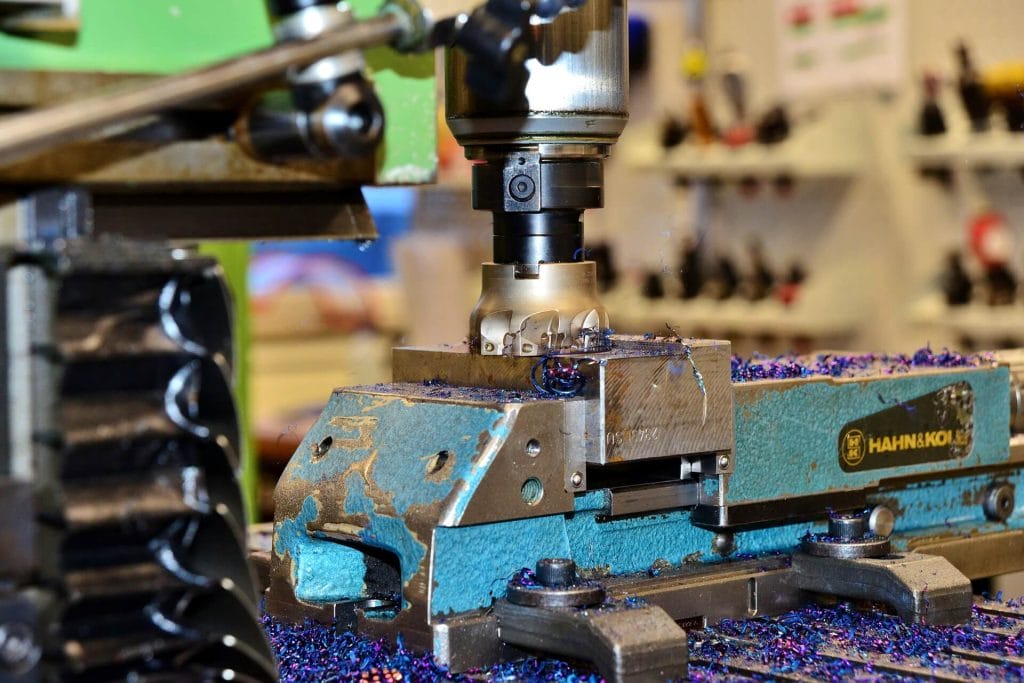
CNC machining has several key operations, including milling, turning, drilling, boring, and grinding. To be effective, each of these operations must be approached from a different angle:
- Milling: This process involves moving the cutting tool across the workpiece surface, which allows for precise control over the final shape and size. Milling is a versatile operation and is capable of producing various features, including slots, pockets, grooves, and intricate contours.
- Turning: Now, turning involves feeding the cutting tool into the rotating workpiece and removing material to achieve the desired diameter and length. It’s a highly efficient operation, especially when it comes to producing symmetrical parts, particularly shafts, rods, and other circular components.
- Drilling: This process involves rotating the drill bit while simultaneously applying pressure to feed it into the workpiece. Drilling creates cylindrical holes of various sizes and depths, essential for assembly, fastening, and other applications.
- Grinding: This process involves rotating the grinding wheel against the workpiece and gradually grinding away material until the desired size and finish are achieved. Grinding is ideal for finishing operations, as it provides precise tolerances and smooth surfaces that are not readily achievable with other machining methods.
- Boring: This process utilizes a single-point cutting tool like a boring bar, which is fed into the hole while rotating to remove material. Boring is necessary for creating precise internal features and ensuring proper fit and function for components like bearings, bushings, and housings.
The best part is that all of these different operations can be performed from a single CNC machining center. The switch between tools and processes can be done in no time, which helps reduce production time and improves efficiency.
From CAD to CAM
Once the CAD phase is complete, the true test of the CNC machining process begins with the transition to Computer-Aided Manufacturing (CAM). It’s here that the CAM software comes into play, interpreting the 3D models into operational directives that the CNC machines must follow.
To ensure that the design isn’t compromised or changed in any way, the transfer is usually done as a STEP file or similar format. Then, it’s time for the software to analyze the design and determine the most efficient tool paths and machining strategies for fabrication. While doing that, it also has to consider the required tolerances and surface finishes of the material.
The software must also factor in the end-use of the component, selecting the appropriate tools and strategies to achieve the desired strength, precision, and surface quality.
With the help of CAM, CNC machines can achieve a level of automation and accuracy that manual machining processes could never reach. It’s the bridge between the design phase and the finished product.
This seamless flow from design to production not only streamlines manufacturing but also allows for rapid prototyping and customization using various CNC machines.
Different Kinds of CNC Machines
To better understand what is CNC machining technology, we must first grasp the variety of CNC machines on the market. When we look at the diversity of available machines, it shows us how far this technology has come.
The different types of CNC machines are tailored to perform specific tasks with different material requirements. The selections of CNC machines include but aren’t limited to:
- Vertical Machining Centers (VMCs): Prized for their ability to perform intricate milling operations with their vertically oriented spindles;
- Horizontal Machining Centers (HMCs): Known for their pallet changing systems and suitability for high-volume production;
- CNC Lathes or Turning Centers: Designed to rotate the workpiece against a cutting tool to produce cylindrical parts;
- CNC Routers: Similar to a mill machine, but typically used for cutting softer materials like wood and plastic;
- Electrical Discharge Machines (EDMs): They use electrical sparks to machine hard materials with high precision.
- 3D Printers: Used to create three-dimensional objects and complex shapes from various materials, usually plastic.
3D Printing vs. CNC Machining
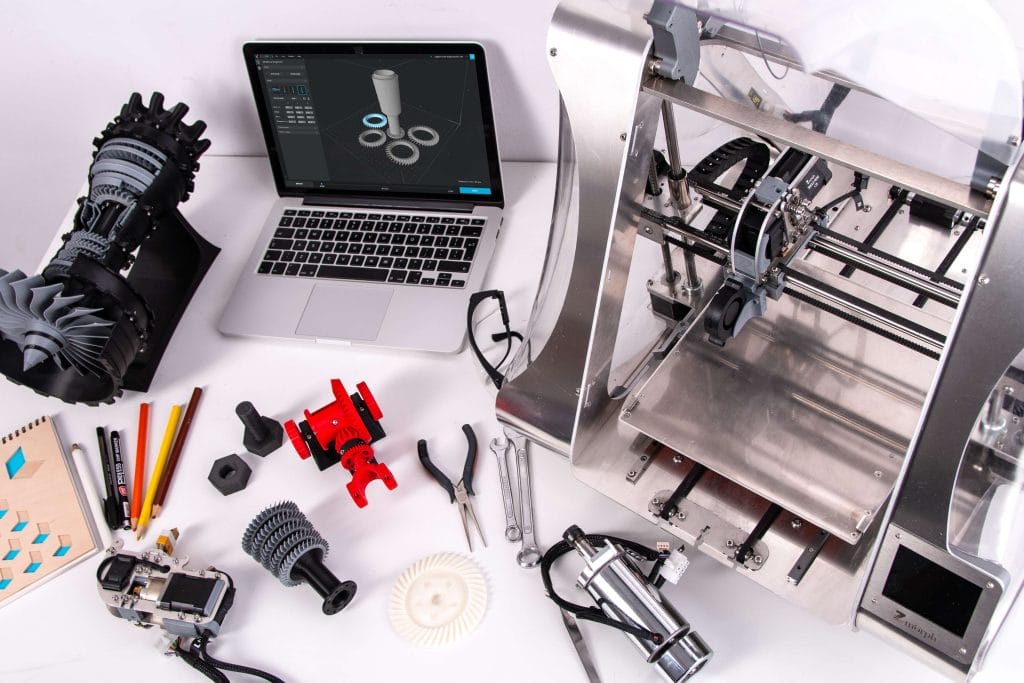
There has always been a debate about 3D printing vs CNC machining, but they’re very different processes. While 3D printing builds objects layer by layer from the bottom up, CNC removes material from a solid block, known as the workpiece, to shape the final product.
The best way to put it is to say that 3D printing is an additive manufacturing process, while CNC machining is a subtractive manufacturing process. The main difference between additive manufacturing and CNC machining lies in their approach to creating objects.
AM builds parts layer by layer, adding material, which allows for complex geometries and reduces waste. On the other hand, CNC machining starts with a solid block and takes away material through cutting or milling, which can be more precise but results in more material waste.
Understanding Different CNC Machining Techniques
The backbone of CNC machining is CNC programming. When it’s time to produce the desired component, skilled technicians or engineers give the machine’s control system precise instructions that tell it which motions it needs to make.
It’s CNC programming that makes it possible for digital blueprints to become tangible parts and all that with almost no human intervention. But those familiar with CNC Machining know that it involves more than just programming. It uses many different machining techniques, each with a unique purpose and use.
High-Speed Machining (HSM)
High-speed machining (HSM) is a powerful technique for quickly making parts using CNC machines. It achieves this through high material removal rates, often operating at spindle speeds exceeding 10,000 RPM. This means it can cut away material much faster than traditional methods.
What we end up with is faster production times and greater overall output. Unlike conventional machining, HSM can be very helpful when dealing with complex geometries and parts with detailed features.
In HSM, the increased feed rate is matched with rapid cuts that are shallow in depth but extensive in coverage, allowing material to be removed quickly without compromising the integrity of the workpiece.
But, the benefits of HSM extend beyond speed. It also enhances the surface quality, reducing the need for secondary finishing processes, which can be time-consuming and costly. The rapid removal of material can also reduce stress on the workpiece, minimizing the risk of part deformation or inaccuracies due to thermal effects.
Adaptive Machining
Adaptive machining is the cutting edge of CNC technology, combining precision engineering with real-time adjustments. Unlike traditional CNC approaches that follow a set program, adaptive machining uses advanced sensors and software to react to real-time data.
It continuously monitors forces, temperature, and vibration during cutting and adjusts cutting parameters on the fly to compensate for variations.
These micro-adjustments during the machining process and the “feedback loop” they create ensure a consistent final product, reducing scrap and tool wear. Considering it can quickly adapt to different materials, adaptive machining extends tool life and continues to produce high-quality parts. It’s ideal for situations with varying material properties or long production runs where tool wear can impact results.
Equipment and Components Needed
Understanding the equipment and components needed for CNC machining begins with recognizing the central role of the CNC systems. A CNC system is made up of several elements, and each one has a significant role in the machining process.
To get a clearer picture of what each of these elements does, we’ve presented the key components of any CNC system and their function in the table below:
| Component | Function |
| CNC Controller | Interprets G-code and controls the movement of the machine along its axes. |
| Automatic Tool Changer (ATC) | Allows the machine to switch between different tools without manual intervention. |
| Spindle | Holds and rotates the cutting tools; is responsible for the cutting or shaping of the material. |
| Machine Axes (X, Y, Z) | Define the direction of movement of the tool or workpiece. X-axis for horizontal, Y-axis for vertical, and Z-axis typically for depth. |
| Backlash and Ball Screw Mechanisms | Maintains the precision of cuts, especially when working with hard materials or at high speeds. |
| Fixtures and Jigs | Secure the workpiece in place and allow for the necessary movements of the machining process. |
| Additional components | |
| G-code | The programming language for CNC machines, that specifies tool paths and cutting parameters. |
| CAD/CAM software | Used for designing and generating CNC programs. |
| Coolant system | Provides lubrication and cooling to the cutting tool and workpiece, preventing overheating and extending tool life. |
| Safety systems | Protect operators and equipment from potential hazards. |
Tooling and Fixtures
In CNC machining, tooling and fixtures are more than just extra bits. They’re what ensures the manufacturing process stays precise every time. The correct tooling includes a wide range of instruments, such as end mills, taps, and reamers, each specifically designed to do specific operations using specific materials.
These tools must be carefully selected based on the job’s requirements, considering factors such as the hardness of the material, the complexity of the design, and the desired surface finish.
Fixtures, on the other hand, are custom-made to hold the workpiece securely during the machining process. They’re designed to allow for a clear path for the cutting tools and avoid collisions that could damage the tools, the fixture, or the workpiece. High-quality fixtures are crucial for maintaining dimensional accuracy, particularly when working with small and complicated parts or when batch production is involved.
We cannot ignore the durability and performance of these tools and fixtures, as they directly impact the efficiency of the CNC process. Using the wrong tool or a defective fixture can lead to increased wear and tear, potentially causing costly downtime or substandard products.
Designing Your Own CNC Parts
Learning how to design your own CNC parts can be both challenging and rewarding. It can require you to possess both technical knowledge and creative problem-solving. This process begins with a clear understanding of what can be achieved through CNC machining and how to design parts that maximize the potential of this technology.
The design phase isn’t just about the part’s geometry. It also involves strategic planning for the machining process itself. You need to account for factors such as the ease of fixture setup, the path of the cutting tools, and the order of operations.
These considerations can drastically affect manufacturing efficiency and the quality of the final product. By anticipating potential issues and integrating solutions into your design, you can avoid costly revisions and tooling changes.
It’s also essential to be familiar with the capabilities of different CNC machines. Some designs might be better suited for a 3-axis mill, while others could require the complexity of a 5-axis machine. Understanding these nuances will allow you to tailor your design to the equipment available and ensure that your parts can be machined as intended.
The choice of cutting tools and the determination of cutting parameters, such as feed rate and spindle speed, are critical design considerations. These decisions impact the surface finish, the precision of the machined features, and the production speed. The effective use of CAD/CAM software can help simulate the machining process, allowing for adjustments to be made before any metal is cut, saving both time and resources.
When designing your CNC parts, you must also be mindful of the industry standards and requirements for the finished products. Whether you’re designing components for aerospace, automotive, medical devices, or consumer goods, you must adhere to relevant regulations and quality standards.
The Average Cost of Using CNC Machining
To better understand the financial aspect of CNC machining, we must figure out how to calculate the cost of CNC machining per hour. The calculation is based on the hourly cost of using the machine, which includes power consumption, human labor, and additional expenses such as tool wear and routine maintenance.
Furthermore, the depreciation of the CNC equipment over time is an essential factor in the calculation, ensuring that the investment in the technology is accounted for in the pricing strategy.
Understanding the breakdown of these costs is critical for manufacturers like JetCrafted to offer competitive prices and stay profitable. It also allows clients to assess the value of the service they are receiving.
By evaluating the cost per hour, with the total run time required for a project, businesses can more accurately estimate the machining portion of the production expenses. This approach is transparent and helps service providers and customers make better-informed decisions.
It’s important to note that while the cost per hour provides a baseline, the complexity of the part design and the type of material used can significantly impact the overall cost. Advanced designs requiring more involved tool paths or specialized materials can increase the cost due to longer machine run times and higher tooling expenses. Therefore, a comprehensive quote will consider these variables and the standard hourly rate to provide a realistic and fair cost estimate.
The Right Material for CNC Machining
When it comes to CNC machining, choosing the right materials will impact the quality of the machine parts that are created. When trying to decide if a material is suitable for use in CNC processing, we look at its key physical characteristics: strength, hardness, thermal stability, and machinability.
These properties impact the efficiency of the CNC mills and the quality of the final product. That’s why, before using a material for production, we must first understand its material properties and how they interact with the machining process.
Materials most commonly used in CNC machining include:
| Material | Properties | Advantages | Disadvantages | Applications |
| Metals | ||||
| Aluminum | Lightweight, good thermal conductivity, easily machined | Lightweight, excellent heat dissipation, moderate strength | Susceptible to corrosion, not ideal for high-stress applications | Aerospace, automotive, electronics, consumer goods |
| Stainless Steel | High strength, corrosion-resistant, good machinability | Strong, durable, hygienic | More expensive than aluminum, heavier | Medical equipment, food processing equipment, architectural components, marine hardware |
| Brass | Excellent machinability, good corrosion resistance, decorative appearance | Easy to machine, good for intricate designs, aesthetically pleasing | Softer than steel, prone to wear and tear | Plumbing fixtures, musical instruments, decorative hardware, jewelry |
| Titanium | High strength-to-weight ratio, excellent corrosion resistance, biocompatible | Strong, lightweight, resistant to corrosion and chemicals | Expensive, and more difficult to machine than aluminum | Aerospace, medical implants, high-performance sports equipment, marine components |
| Plastics | ||||
| ABS Plastic | Strong, lightweight, impact-resistant, affordable | Affordable, versatile, easy to machine | Not as strong as metal, can deform at high temperatures | Prototypes, toys, housings, consumer electronics |
| Polycarbonate | Transparent, high impact resistance, good weather ability | Strong, clear, can withstand outdoor conditions | More expensive than ABS, can scratch easily | Glazing, safety shields, machine guards, medical devices |
| PEEK | High strength, chemical resistance, excellent wear performance | Strong, durable, resistant to chemicals and wear | Expensive, difficult to machine | High-performance parts, medical implants, aerospace components, bearings |
The machinability of a material refers to how easily a material can be cut and shaped by a CNC machine without wearing out the tools too much. Materials with high machinability allow for faster machining speeds, lower costs, and reduced lead times.
Conversely, hard-to-machine materials, such as titanium or Inconel, often require specialized tooling, are processed more slowly, and can lead to higher production costs. However, there’s no substitute for these materials in aerospace and other high-performance applications due to their excellent strength-to-weight ratio and resistance to extreme conditions.
When selecting a material, it’s important to consider the intended use of the finished part. Factors such as the mechanical load, exposure to chemicals or high temperatures, and the need for electrical insulation will impact the choice.
For example, if electrical insulation is a requirement, materials like PVC or G-10 fiberglass may be more suitable. On the other hand, for components that must withstand high mechanical loads, a more robust metal, such as 4140 alloy steel, might be necessary.
In addition to the mechanical and physical properties, you should also consider the cost and availability of materials. Some high-performance materials can be prohibitively expensive or have longer lead times, which could impact the overall project timeline and budget.
What is CNC Machining Used For
It has found its place in many industries because it can create detailed shapes and geometries. In the aerospace sector, CNC machines are used to produce reliable, high-tolerance components that adhere to stringent safety standards.
The automotive industry relies on CNC machining for the mass production of engine parts, transmissions, and other critical components that demand precision engineering.
Medical manufacturers utilize CNC to fabricate surgical instruments, implants, and diagnostic equipment with the required exactness and surface finishes that the healthcare field demands.
CNC machining also has applications in the electronics industry, where it creates intricate components like printed circuit boards (PCBs) and enclosures. The defense sector employs CNC machining to manufacture high-precision weaponry and communication devices.
Regarding consumer products, CNC machines are used to produce items ranging from smartphones to kitchen appliances and use many materials, from metals to plastics.
Manufacturing companies like JetCrafted collaborate with the energy sector as well. The oil and gas, as well as the newer renewable energy industry, relies on CNC machining to produce durable components that can withstand harsh environments and intense pressures.
There’s almost no end to the benefits of using CNC machining in the manufacturing industry. The most noticeable is speed and efficiency, as CNC machines can rapidly produce parts with minimal human intervention, streamlining the production process. Next comes precision and accuracy, allowing for tighter tolerances that manual processes cannot consistently achieve.
CNC Machining as a Career Choice
Just because CNC machining is considered a fully automated process doesn’t mean there’s no room for human input. The capability to produce complex geometries that would be challenging or impossible to achieve with conventional machining methods opens up a world of design possibilities for engineers and product designers.
The industry’s demand for skilled professionals who can program, operate, and maintain CNC machines is continually growing, making CNC machining a good career choice.
The expertise required to understand and apply the principles of CNC machining, including the interpretation of G-code, the management of toolpaths, and the adjustment of machine settings for optimal performance, makes for a specialized and valuable skill set in the job market.
Those who know their way around manufacturability (DFM) principles, CAD (Computer-Aided Design), and CAM (Computer-Aided Manufacturing) are sought after for their ability to streamline the production process and enhance product quality.
Anyone interested in how to learn CNC machining should start with the basics. Many vocational schools, community colleges, or technical institutes offer courses on machining principles. These programs often combine classroom instruction with hands-on training, providing students with a practical understanding of machine tools, materials science, and computer programming.
Another option is starting an apprenticeship and getting on-the-job training. This way, aspiring CNC professionals get to learn directly from experienced machinists.
As technology evolves, continuous learning becomes crucial, and many CNC machinists pursue additional certifications or specialized training to keep up with the latest advancements in machining technology, software, and materials.
CNC Machining Technology Alternatives
As the manufacturing industry continues to change and evolve, it’s good to know that manufacturers aren’t limited to using just CNC technology. Alternative options come into play when a different approach is needed due to unique material properties, production volumes, or economic factors.
Alternative technologies to CNC currently on the rise include:
- Waterjet Cutting: It uses high-pressure water, sometimes mixed with abrasive particles, to cut various materials. This technology is excellent for materials that are sensitive to the high temperatures generated by traditional machining processes. Waterjet cutting is also known for its ability to cut extremely thick material sections that might prove difficult for standard milling or turning operations.
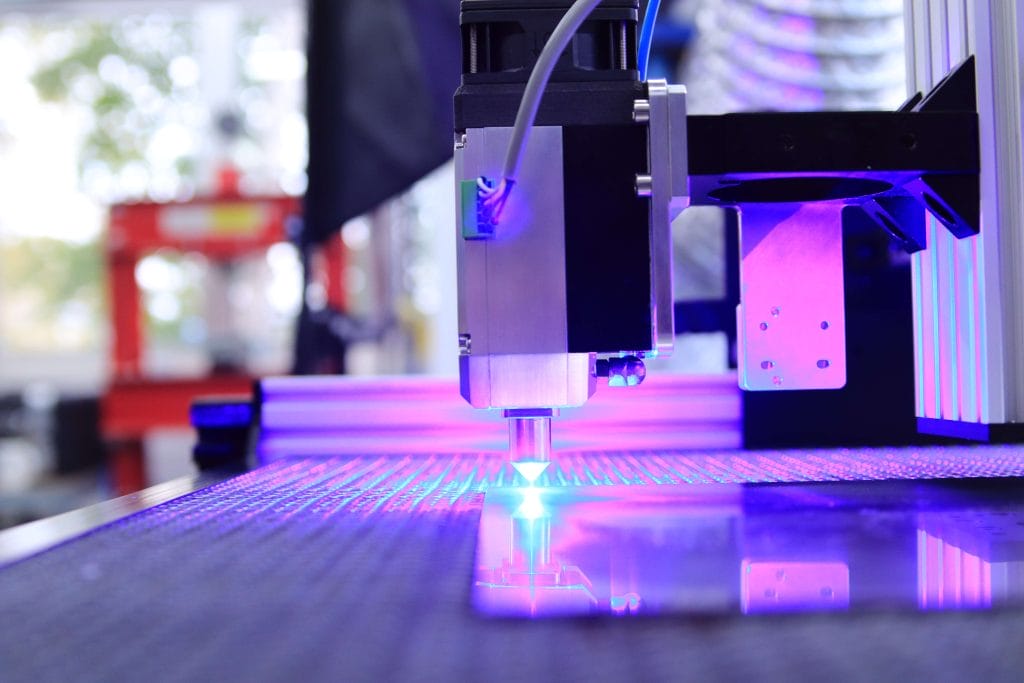
- Laser Cutting: This technology stands out for its precision and speed when it comes to cutting thin materials. Laser cutting creates clean edges with very tight tolerances, ideal for sheet metal fabrication. However, its applications are limited by material thickness and type, as the laser’s heat may damage some materials.
- Electrical Discharge Machining (EDM): A process that uses electrical sparks to machine hard metals and complex shapes. EDM is particularly useful for materials that are tough to machine with traditional cutting tools, as it doesn’t rely on cutting force but rather on electrical energy to remove material. This makes it ideal for producing intricate details and precise cavities in tool and die-making.
In Summary
The significance of CNC machining in modern industry cannot be overstated. It enables the mass production of parts with a level of precision and efficiency that manual processes could never achieve.
As we ask the question “What is CNC machining?” we see that the answer isn’t so simple. It involves explaining every aspect of the process, from its most simple components and auxiliary tools to the design software and available techniques. Each element works together to produce the most intricate and high-quality parts, maintaining the same consistency every time.
To thrive in this industry, manufacturing companies must understand this delicate balance between machine precision and human ingenuity. Surely, this topic has captured your attention, so don’t hesitate to dive in and learn even more about the complex world of CNC machining.
FAQs
1. What is the difference between CNC milling and CNC turning?
CNC milling involves rotating cutting tools that remove material from the workpiece, which is stationary. It’s versatile for complex shapes and features. CNC turning, or lathing, rotates the workpiece against a stationary cutting tool, mainly for cylindrical parts. Turning is typically faster for round components.
2. What is CNC precision machining?
CNC precision machining is a process where computer numerical control (CNC) systems execute pre-programmed sequences to control machining tools with high accuracy. It creates intricate parts with tight tolerances for various industries, ensuring consistency and quality.
3. How does CNC machining achieve such high precision?
CNC machining achieves high precision through computer-controlled systems that meticulously move cutting tools according to detailed CAD models. Advanced software compensates for variables like tool wear, ensuring consistent accuracy. Rigorous calibration and high-quality machine components further enhance precision.
4. Can CNC machines work with all types of materials?
CNC machines can work with a broad range of materials, including metals, plastics, wood, and composites. However, each machine has limitations based on its power, tooling, and structural integrity. Extremely hard materials or those with challenging properties may require specialized equipment.
5. What are the limitations of CNC machining?
CNC machining limitations include high upfront costs, difficulty with very complex geometries, size limitations of the machine’s work envelope, and potential waste of materials. It’s less economical for low-volume production due to setup time and cost.
6. How do I choose the right CNC machining service for my project?
Choosing a CNC machining service, such as JetCrafted involves considering their expertise with your required materials and part complexity, machine capabilities, quality control processes, turnaround time, past projects, and customer service. Cost-effectiveness and their ability to meet your project’s tolerance specifications are also crucial.