
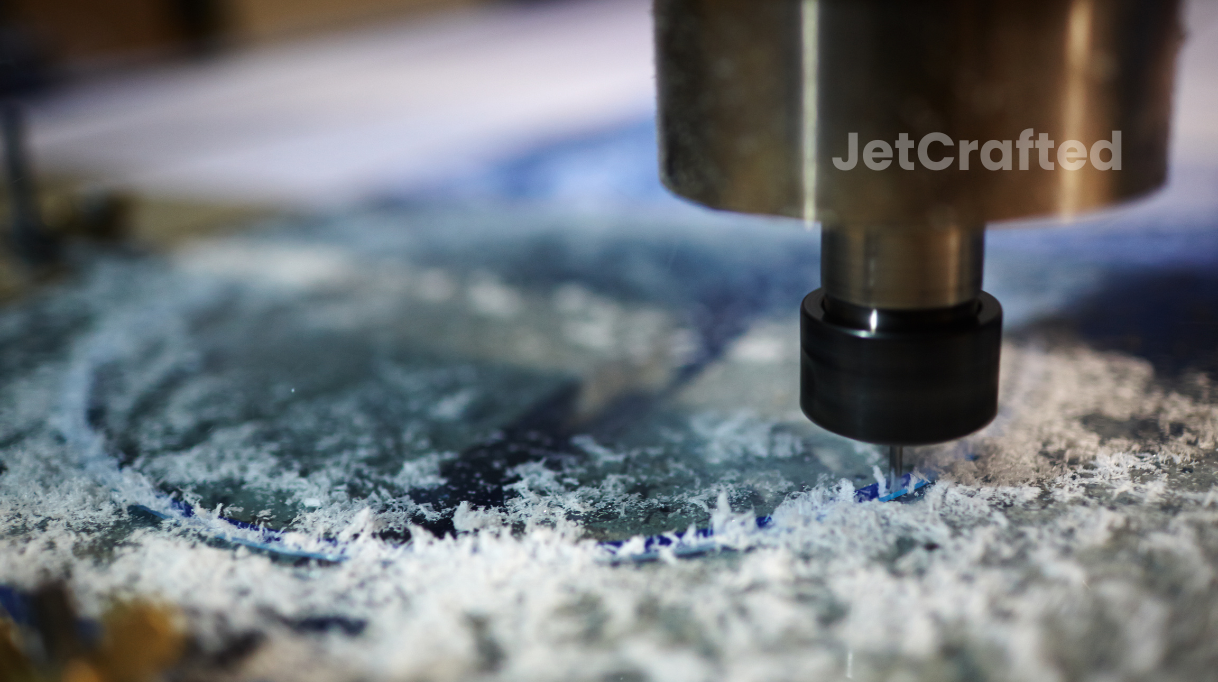
If you want to achieve optimal precision and efficiency during the CNC machining process, you must factor in many important factors and parameters. One of those parameters is the machine’s feed rate. But what is feed rate in CNC machine operations?
Simply put, it’s the velocity at which the cutting tool moves along the workpiece to remove material. This is a parameter that affects the quality of the finished product, tool life, and the overall efficiency of the machine.
Getting the feed rate of your CNC machine just right is finicky business. Set it to be too slow, and you end up wasting valuable production time; too fast, and you risk damaging the tool or compromising the integrity of the workpiece.
In this post, we’ll go over every aspect of how you can find the perfect feed rate for your CNC machining needs and provide a clear understanding of why it’s a pivotal factor in the machining process.
What is Feed Rate?
Feed rate in CNC is the speed at which the cutting tool moves along the workpiece. It influences both the machining time and the outcome of the part or component being produced. It’s typically measured in inches per minute (IPM) or millimeters per minute (MMPM), and it determines how quickly the cutting tool interacts with the workpiece.
To set the optimum feed rates for your CNC machine, you must first consider the type of material you’re processing, the cutting tool’s hardness, the cut depth, and the end product’s design. The choice of optimal feed rate directly impacts:
- Cutting Forces: Higher speeds can generate greater forces, stressing the machine.
- Surface Finishing: Higher feed rate speeds may create surface roughness.
- Tool Wear and Tear: If it’s too high, it can lead to excessive tool wear or even breakage, shortening the tool’s life span.
- Material Removal Rate: A higher feed rate can remove material faster, but it can also lead to problems such as chatter and vibration.
Factors to Consider for Feed Rate in CNC Machining
The feed rate directly impacts the finished product’s quality, tool life, and overall machining efficiency. To determine the ideal feed rate speed for a particular project, CNC machinists have to consider many factors and how they relate to each other in terms of efficiency.
- Material Hardness and Type: A high-strength material like a titanium alloy typically needs a slower feed rate to reduce the wear on the cutting tool and prevent damage to the workpiece. Softer materials, like aluminum, can handle higher feed rates, which can enhance productivity.
- Cutting Tool Material: A cutting tool made from high-speed steel can sustain higher feed rates but can also increase power consumption and generate excessive heat, which can affect both the tool and the workpiece.
- Workpiece Geometry: Intricate designs with tight corners, varying depths, and detailed features may require adjustments to the feed rate to ensure precision and accuracy.
- Depth of Cut: The amount of material the cutting tool engages is another consideration. A larger cut width and depth can distribute the cutting force over a greater area but may necessitate a slower feed rate to prevent tool deflection and ensure a uniform surface finish.
- Spindle Speed: A setting of higher spindle revolutions per minute (RPM) creates smaller chips, reducing the cutting force and heat generated.
What Differentiates Feed Rate and Cutting Speed?
In addition to feed rate, another critical CNC machining term you need to be aware of is cutting speed. Feed rate and cutting speed are essential in determining the quality of the machined part, tool life, and power consumption, yet they’re two very different aspects of the machining process.
Cutting speed, or surface speed, is the linear velocity at which the cutter moves along the workpiece surface. It’s typically expressed in surface feet per minute (SFM) or meters per minute (M/min) and affects how effectively the cutting tool operates without premature wear.
Optimum cutting speed is crucial because it determines how quickly the material is removed and significantly affects the temperature of the cutting area and the surface finish of the workpiece. Cutting speed focuses on the speed at which the tool engages with the material, while the feed rate dictates the speed at which the material is presented to the cutting tool.
Now that you’re familiar with “What is feed rate in CNC?” as well as “What is speed rate?”, here’s a better look at the differences between the two:
| Feature | Feed Rate | Cutting Speed |
| Definition | Distance traveled per unit of time or revolution | The velocity of the cutting edge on the workpiece surface |
| Unit | mm/min, inch/min, mm/rev, inch/rev | m/min, ft/min |
| Impact on | Surface finish, tool wear, cutting forces, chip formation | Chip formation, heat generation, tool life, surface finish |
| Typical range | 1-500 mm/min | 50-5000 m/min |
| Factors influencing | Material, tool geometry, depth of cut, desired surface finish | Material, tool material, desired surface finish, spindle speed |
| Optimization goal | Balance surface finish, tool wear, and cutting forces | Maximize material removal rate while maintaining tool life and surface finish requirements |
How to Determine Feed Rate
Determining the correct feed rate in CNC machining is critical for the operation’s success, as it directly influences the workpiece’s quality and the tooling process’s efficiency.
The feed rate can be calculated using the CNC feed rate formula, but you’ll need to know the cutting speed of the material, which is often provided by the material manufacturer or can be found in standard reference tables. You’ll also need the number of cutting edges on the tool and the diameter of the tool.
The general CNC feed rate formula is:
Feed Rate = RPM x Number of Cutting Edges x Chip Load
RPM represents the revolutions per minute of the tool or workpiece, and Chip Load is the amount of material removed by one cutting edge per revolution. For CNC turning feed rate calculation, the formula slightly alters to account for the rotational speed of the workpiece rather than the tool, but the principle remains the same.
Modern CNC software makes the calculation process much easier, as advanced CAM programs can automatically calculate optimal feed rates by analyzing the toolpath, material, and machining operation. The software uses algorithms to balance the high speeds and precision of the tools. That way the selected feed rate can efficiently revoke the material and protect the tool, all the while getting the desired surface finish.
When it comes to setting the right feed rate a valuable resource that you should never overlook is manufacturers’ recommendations and cutting tool data. Tool manufacturers perform extensive tests on their products so they can provide detailed specifications and charts. That includes feed rate recommendations for various materials and operations.
Feed Rate Optimization
Optimization of the feed rate means fine-tuning the speed to balance efficiency with the demands of the specific job. A higher cutting speed and feed rate may lead to quicker production times but can also increase wear on the tool and potentially degrade the workpiece surface if not managed correctly.
On the flip side, a slower feed rate ensures a better surface finish and prolongs tool life but may be less time-efficient and more costly.
Strategies for optimizing the feed rate involve:
- CAM Software: Using CAM software with built-in feed rate calculation tools based on material properties, tool geometry, and desired cutting conditions can significantly improve optimization efforts.
- Machining Charts: Manufacturers often provide charts with recommended feed rates for specific tool-material combinations, offering a starting point for optimization.
- Experience and Experimentation: Experienced machinists can adjust feed rates based on their knowledge and observation of the cutting process, further refining the optimization process.
- Adaptive Feed Rate Control: This advanced technology utilizes sensors and algorithms to adjust the feed rate in real-time based on cutting forces, vibrations, and other process parameters, optimizing performance throughout the machining operation.
Why is It Important to Optimize the Feed Rate?
Optimizing this rate is essential because an incorrect feed rate can lead to manufacturing defects, excessive tool wear, and suboptimal use of resources. When you take your time to fine-tune the feed rate, you can ensure that the cutting tool has the best working conditions to remove material at an appropriate rate without becoming overwhelmed.
Furthermore, an optimized feed rate does affect the dimensional accuracy and surface finish of the final product, by minimizing the risks of tool deflection and vibration.
From a cost perspective, efficient feed rates maximize material removal rates, leading to shorter cycle times and higher throughput. This efficiency means that large-scale manufacturers like JetCrafted have lower operational costs and can price their products more competitively.
In Conclusion
Understanding what is feed rate in CNC and optimizing it is essential for achieving high precision, efficiency, and quality in manufactured parts. Properly managed feed rate ensures minimal tool wear, optimal surface finish, and consistent machining results.
CNC machinists must consider material properties, tool characteristics, and desired outcomes when determining the feed rate. Knowing the best way to calculate and set this parameter makes production more cost-effective. Also, it will make it easier to meet stringent industry standards for a wide range of CNC-machined products.
FAQs
1. What is a common mistake when setting the feed rate?
A common mistake when setting the feed rate in CNC machining is selecting a rate that’s either too high or too low, leading to suboptimal cutting conditions. Overly aggressive rates can cause tool wear and potential workpiece damage, while conservative rates may result in inefficient machining and prolonged cycle times.
2. How does the choice of coolant affect the CNC feed rate?
The type of coolant you use in your CNC machine can significantly affect the feed rate. It affects tool life, surface finish, and even chip evacuation. Choosing the right coolant can enable higher feed rates by reducing heat and friction, thereby enhancing cutting efficiency and preventing premature tool degradation or workpiece thermal distortion.
3. Can the feed rate be adjusted during CNC operation?
Yes, the feed rate can be adjusted during CNC operation through manual overrides or adaptive control systems. That way the machining processes can be optimized in real-time, accommodating variations in material hardness, tool condition, and desired surface finish.