
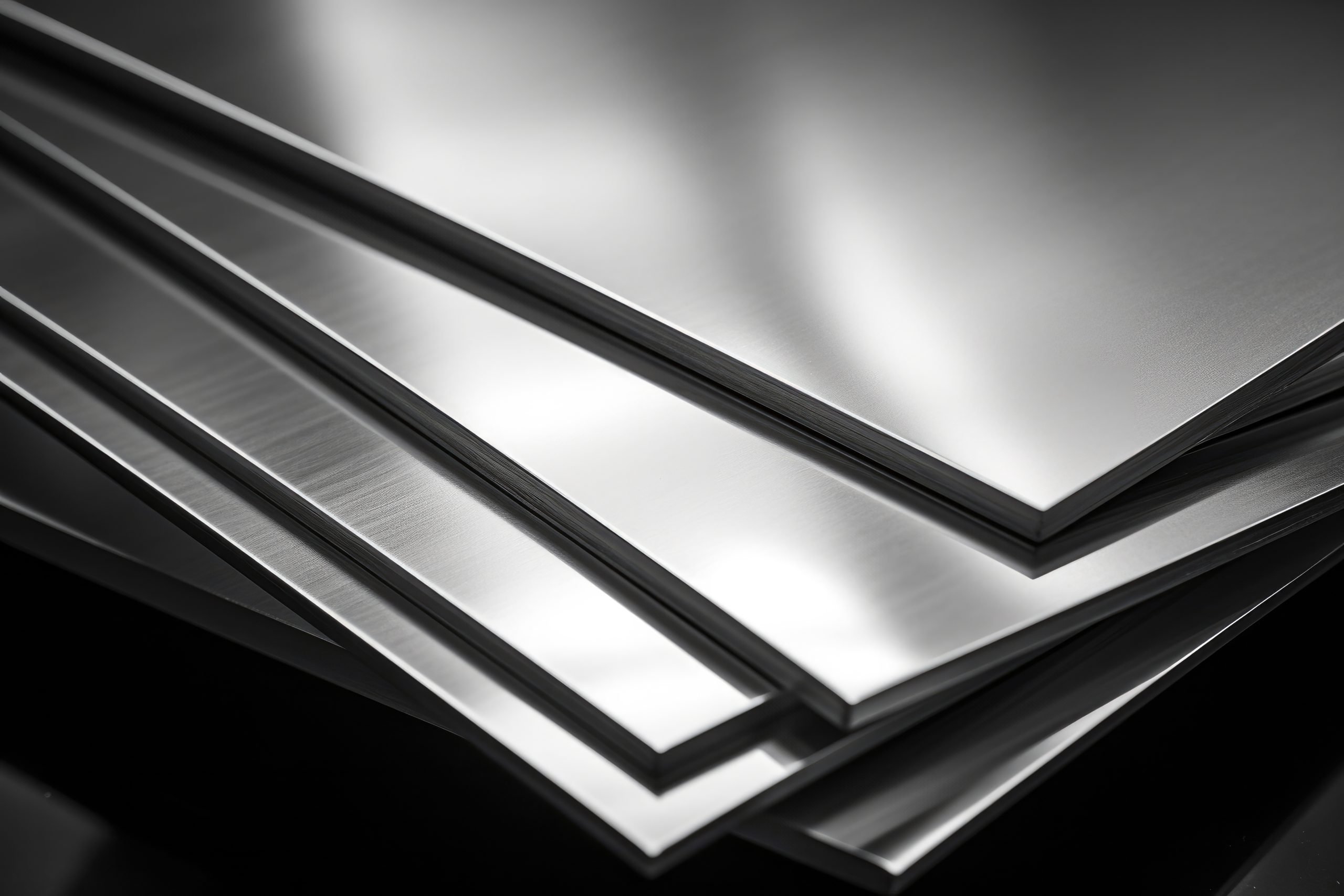
In manufacturing and engineering, sheet metal fabrication stands out as a critical and versatile process that shapes the backbone of numerous industries. Using materials such as aluminum and stainless steel, this technique transforms metal sheets into parts or products through a series of cutting, bending, and assembling operations.
As you explore sheet metal fabrication, this article will help you understand what is sheet metal fabrication, the variety of metals used—including aluminum and stainless paper—the comprehensive fabrication process, and the essential tools and equipment.
You will also gain insights into the numerous applications of metal sheet fabrication, understand its advantages, and confront the challenges faced during the process. Furthermore, a glimpse into the future trends will illuminate the evolving landscape of sheet metal work, preparing you for the advancements in sheet metal production, processing, and engineering.
This exploration will provide a solid foundation and enhance your understanding of the wide-reaching implications and best practices in sheet metal manufacturing, both for newcomers and seasoned professionals.
A Historical Timeline of Sheet Metal Fabrication
Even though it is a key procedure when it comes to turning sheets of metal into specific shapes, metal sheet fabrication was not an instant hit. Throughout its history and evolution, the procedure has undergone many significant alterations to emerge as a top-tier fabrication method late in the 19th century.
What is Sheet Metal Fabrication?
Sheet metal fabrication is a complex manufacturing technique that involves the use of several distinct processes to achieve different specific and intricate shapes by manipulating different metal materials. As a highly versatile technique, it is fundamental to the creation of highly specific metal components required by various industries
Sheet metal machining has evolved significantly over centuries, developing effective techniques to transform metal into parts and assemblies. This process is essential to numerous industries, including automotive, aerospace, and construction.
Emergence and Evolution
The journey of sheet metal fabrication began in ancient times. Around 9,000 BCE, humans discovered copper and began manipulating it into tools and decorative items. By the Bronze Age, around 2,300-700 BCE, advancements in metalworking allowed for the creation of more complex items like chariots and metal pots.
The real transformation in sheet metal fabrication began when the rolling meal first appeared as a concept. Leonardo da Vinci sketched the first designs of a rolling mill around the 15th century, though it was not until the 17th century that rolling mills were documented to be in use, marking a significant advancement in metalworking technology.
Key Fabrication Techniques Milestones Through the Years
Innovations such as the Bessemer converter in 1857 had a major impact on steel production during the Industrial Revolution. This period also saw the introduction of new machines like press brakes and assembly lines, which significantly enhanced the quality and speed of sheet metal production.
In the 19th century, the development of steam and aluminum hammers further advanced iron production, leading to more sophisticated fabrication techniques. By 1861, the emergence of various metalworkers’ unions in Great Britain and Ireland indicated the growing importance and organization within the sheet metal industry.
Throughout these periods, sheet metal fabrication techniques continued to evolve, combining new techniques like laser cutting and rapid prototyping, which have significantly improved the precision and efficiency of metalworking.
Sheet metal fabrication has a rich history marked by significant technological advancements that have played a crucial role in shaping the modern industrial landscape. The evolution from basic metal shaping techniques to sophisticated fabrication processes reflects the continual progress in this field.
What Are the Different Types of Sheet Metal?
In the field of sheet metal fabrication, the selection of the right type of metal is paramount, influenced by factors such as formability, weldability, strength, weight, cost, and corrosion resistance. Here are some commonly used materials based on these criteria.
Common Sheet Metal Fabrication Materials
The first thing to consider in defining what is sheet metal fabrication are the applicable materials:
- Stainless Steel: This is available in various grades grouped into families like Austenitic, Ferritic, Martensitic, Duplex, and Precipitation Hardening Steels. Stainless steel is renowned for its corrosion resistance and strength, making it suitable for environments that require cleanliness such as in the food industry, medical equipment, and automotive applications.
- Aluminum: Known to feature a very high strength-to-weight ratio and naturally resistant to corrosion, aluminum is versatile in its applications. It undergoes processes like extraction from bauxite, refinement into alumina, and electrolytic reduction. Common uses include aircraft components, power lines, and household items.
- Cold Rolled and Hot Rolled Steel: Hot rolled steel is processed at high temperatures and used where tight tolerances are not critical but cost-effectiveness is essential, such as in construction supports and rail tracks. Cold-rolled steel, processed further at room temperature, offers higher tensile strength and is commonly employed in high-precision applications like aerospace structures and automotive parts.
- Copper and Brass: Copper, noted for its electrical and thermal conductivity, is extensively used in electrical equipment and plumbing systems. Brass is highly malleable and used in decorative items and musical instruments due to its aesthetic appeal and resistance to corrosion.
Not every metal is going to be the best option for a fabrication sheet, so knowing what you have at your disposal to begin with is crucial to the success of your project.
Key Material Characteristics
Knowing the best materials that are perfect for metal fabrication is a great starting point but why do specific materials fit the process so well? It all comes down to the characteristics of each of these materials:
- Stainless Steel: It is particularly valued in applications demanding hygiene and resistance to rust. Different grades of stainless steel cater to varying needs, from durable kitchenware to robust surgical instruments.
- Aluminum: Its lightweight nature paired with significant strength makes aluminum ideal for aerospace and automotive industries. It is also recyclable, which makes it a sustainable choice.
- Steel Variants: Hot-rolled steel is favored for its cost efficiency in large-scale construction projects. In contrast, cold rolled steel, with its enhanced surface finish and strength, is preferred for detailed and aesthetically pleasing designs.
- Copper and Brass: Both metals are valued for their conductive properties, making them indispensable in electrical applications. Brass’s resistance to microbial growth also makes it suitable for medical and food-related uses.
Understanding the unique properties and applications of these metals will guide you in selecting the right material for your sheet metal fabrication projects, ensuring durability, functionality, and cost-efficiency in your final products.
Deconstructing the Sheet Metal Fabrication Process
Sheet metal fabrication is a multi-stage process that follows predetermined, sequenced steps. It begins with designing and planning your project as the foundation of your project. You then move on to the hands-on sheet metal fabrication process steps, such as cutting, forming, joining, and finishing:
Phase 1: Design and Planning
Before the cutting, bending, and joining begin, the journey to learn sheet metal fabrication starts with careful design and planning. It is the foundation of the entire process, ensuring your product meets all specifications and performs its intended function effectively in line with your project plan.
Using CAD Tools
Computer-aided design (CAD) tools are indispensable in the sheet metal fabrication process. This software allows you to put together precise 3D models of your components, accounting for every angle, curve, and dimension.
CAD tools not only streamline the design process but also enable simulations to test the feasibility and performance of the designs before they move into production. This digital precision reduces errors and saves valuable time.
The Role of Precision In Fabrication Designs
Accurate design is the bedrock of successful sheet metal fabrication. A well-thought-out design considers material properties, manufacturing capabilities, and end-use requirements.
Precise measurements and detailed plans ensure that every part of the component fits perfectly when assembled which means fewer costly adjustments or reworks. Moreover, accurate designs translate to optimal material usage, which comes at lower costs and results in less waste.
Phase 2: Cutting
Once you have your design, the next step in the sheet metal fabrication process is cutting. This phase transforms your digital blueprints into tangible pieces of metal, preparing them for further processing.
Cutting is a critical step, as it determines the initial shape and size of the metal parts, laying the groundwork for all subsequent operations:
Common Cutting Methods for Sheet Metals
The cutting stage involves shaping the metal sheets into specific parts using various methods. Among the most common are:
- Laser Cutting: Laser cutting melts, burns, and vaporizes the target metal utilizing a beam of focused light. Known for its precision, laser cutting allows for intricate cuts with minimal waste. It’s especially suitable for detailed designs, although there are potential safety hazards that you must consider.
- Plasma Cutting: Plasma cutting employs a gas that conducts electricity from a power source to cut the target material (which has to be conductive). Faster than laser cutting, plasma is ideal for thicker metal sheets.
- Waterjet Cutting: This method uses high-pressure water, often mixed with an abrasive substance, and is capable of cutting a wide range of materials. It’s highly accurate and doesn’t introduce heat stress to the material
- Shearing: What is metal shearing? It is a mechanical cutting method that uses a shear force to cut through the metal. It is ideal for making straight cuts.
Benefits and Drawbacks of Differrnet Cutting Methods
Choosing the right cutting method depends on various factors, including material type, thickness, and design complexity. Here’s a quick overview of the pros and cons of each method:
- Laser Cutting:
- Advantages: High precision, minimal material waste, suitable for detailed designs.
- Disadvantages: Higher cost, limited to thinner materials.
- Plasma Cutting:
- Advantages: Fast, capable of cutting thicker materials, cost-effective for thicker cuts.
- Disadvantages: Less precise, more material waste.
- Waterjet Cutting:
- Advantages: No heat distortion, can cut a wide range of materials, highly accurate.
- Disadvantages: Slower process, higher operational cost.
- Shearing:
- Advantages: Efficient for straight cuts, cost-effective for large volumes.
- Disadvantages: Limited to straight lines, less suitable for detailed designs.
Each cutting method has its place in the sheet metal fabrication process. You will have to consider the end goal of your project in order to balance factors such as precision, speed, cost, and material characteristics.
Phase 3: Forming
After cutting, the next stage is forming. What is sheet metal forming? It involves shaping the cut pieces into their final configurations. Forming is key because it determines how the final product will look and, more importantly, perform. Different techniques and equipment are used to bend, shape, and mold the metal into the desired form.
Essential Forming Techniques
After cutting, the metal sheets are shaped into the desired forms through various techniques:
- Bending: A process of manipulating the metal sheet using a straight axis. It’s typically done using a press brake, which applies force to the metal to achieve the desired angle or curve.
- Stamping: Stamping uses a die to press the metal into specific shapes. It allows for the creation of complex and repetitive designs, ideal for mass production. Stamping can include operations such as punching, coining, and embossing.
- Rolling: Rolling passes metal sheets through a series of rollers to bend them into long, continuous shapes. Mostly used for cylindrical parts, tubes, and large curves. Roll forming ensures consistency across the entire length of the metal piece.
Forming Phase Equipment
The forming process requires special equipment to achieve precise shapes and dimensions:
- Press Brakes: These machines are fundamental for bending operations. They consist of a punch and die, which work together to apply force and bend the metal. Modern press brakes often incorporate CNC controls to enhance precision and repeatability.
- Rollers: Rollers are used in roll forming to gradually shape the metal. They can be adjusted to produce various profiles and ensure uniformity throughout the length of the metal sheet.
- Stamping Presses: These machines use a die and a high-speed ram to press the metal into the desired shape. Stamping presses are essential for companies churning out large quantities of products and can perform multiple operations in a single press cycle.
Forming is a pivotal step in sheet metal fabrication, transforming flat metal sheets into functional and intricate parts.
Phase 4: Joining
Once the metal pieces have been cut and formed, the next critical phase in sheet metal fabrication is joining. This stage involves assembling the various components into a single, cohesive structure. The methods chosen for joining will depend on the requirements for strength, flexibility, and the specific application of the final product. Each technique offers unique benefits and considerations, ensuring the final assembly is robust and reliable.
An Overview of Joining Methods in Sheet Metal Fabrication
Various methods are employed to assemble the cut and formed parts into final products:
- Welding: Welding is one of the most common and robust methods for joining sheet metal. It first melts the metal, allowing you to fuse pieces.
- Riveting: Riveting is a mechanical fastening technique that uses metal pins (rivets) to join pieces together. The rivet goes into existing holes and is then deformed to hold the pieces together. It is useful for both permanent and non-permanent joins, providing strong connections without the need for high heat.
- Adhesive Bonding: Adhesive bonding uses specialized glues and epoxies to join metal pieces. It is perfect for binding different materials in situations where traditional welding and riveting might cause distortion or damage. It offers the advantage of evenly distributing stress across the joint, which is used in applications where aesthetics are important.
Practical Applications of the Methods
Selecting the appropriate joining method depends on several factors, including the material properties, the required strength of the joint, and the intended use of the final product:
- Welding: Use welding when a strong, permanent bond is essential. It’s ideal for structural components, parts that need to endure heavy loads, and applications where the joint needs to withstand significant stress and strain. Welding is also suitable when joining metals of similar composition and thickness.
- Riveting: Riveting is good for applications that require removable joints or where heat from welding could damage the materials. It’s also preferable for joining thin sheets of metal or when working with metals that are difficult to weld. Riveting is common in industries that value easy maintenance and flexibility in assembly.
- Adhesive Bonding: Choose adhesive bonding when joining dissimilar materials, when a clean, smooth finish is needed, or when heat from welding could cause distortion. This method is excellent for lightweight assemblies and applications where enhancing corrosion resistance is crucial. It’s particularly useful in the automotive and aerospace industries for bonding panels and other components.
Understanding the nuances of each joining method allows you to select the most suitable method for your fabrication project. The result is a functional final product that is also durable and meets the precise specifications and requirements of its intended application.
Phase 5: Finishing
Once the metal pieces have been cut, formed, and joined, the last step is finishing. Finishing treatments provide a layer that protects metals from environmental factors that lead to corrosion, ensuring the durability of the final product.
Finishing Surface Touches
The final step in the fabrication process involves applying surface treatments to enhance the appearance, performance, and durability of the metal parts. Common finishing techniques include:
- Painting: Applying paint to sheet metal provides a protective layer that shields the metal from corrosion and wear. Painting can also enhance the aesthetic appearance, offering a wide range of colors and finishes.
- Powder Coating: Powder coating involves applying a powder that is electrostatically charged to the metal and cured with heat for a smooth finish. Known for its durability and superior finish, it offers better protection against scratching and external elements.
- Anodizing: Anodizing is a process that increases the oxide layer thickness on the surface of aluminum components. This treatment enhances corrosion resistance and provides an attractive finish that can be dyed in various colors. It’s commonly used for steel aluminum and enhances corrosion resistance and wear endurance.
The Role of Finishing in Aesthetics and Durability
Finishing is not merely an optional step but a crucial phase that significantly impacts the performance and longevity of the fabricated metal parts. Here’s why finishing is essential:
- Durability: Finishing treatments like powder coating and anodizing provide a robust barrier against corrosion, wear, and environmental damage. This protective layer ensures that the metal parts can withstand harsh conditions and extend their service life.
- Aesthetics: A well-applied finish enhances the visual appeal of the metal components, making them suitable for consumer products where appearance matters. Finishes can be tailored to meet your desired requirements.
- Functionality: Certain finishing treatments, such as anodizing, improve the functional properties of the metal, including increased resistance to abrasion and improved electrical insulation. This makes the components more suitable for specialized applications in various industries.
By investing in the appropriate finishing techniques, you ensure that your fabricated metal parts are not only functional and durable but also visually appealing and well-suited to their intended use. Finishing is the final touch that brings the entire fabrication process together.
Top Tools and Equipment Used for Sheet Metal Fabrication
The selection and use of appropriate sheet metal fabrication tools and equipment are paramount for achieving precision, efficiency, and safety. This section delves into the essential and advanced machinery employed in the fabrication process, as well as the critical safety protocols that safeguard workers.
A Look at The Vitally Important Tools
The fundamental tools in sheet metal fabrication include shears, brakes, presses, and hammers.
- Shears usually feature when you need to cut metal sheets into desired sizes and shapes, offering a straightforward and efficient method for preliminary sizing.
- Brakes, particularly press brakes, facilitate the accurate bending of metal sheets by creating folds at predetermined angles, which is crucial for forming shapes like brackets or enclosures.
- Presses, including hydraulic and mechanical types, exert substantial force on metal sheets to alter their shape without cutting, useful in operations such as stamping and punching.
- Hammers, both manual and powered, are employed for smaller adjustments and finishing touches, providing the ability to shape metal with high precision.
How Advanced Machinery Aids Sheet Metal Fabrication
Advancements in technology have introduced CNC (Computer Numerical Control) machines and laser cutters, which represent the forefront of precision and efficiency in metal fabrication. CNC machines automate the cutting, bending, and drilling processes, ensuring high accuracy and repeatability with minimal human intervention.
These machines are particularly valuable for complex, high-volume projects with highly specific requirements. Laser cutters stand out for their ability to make precise cuts at high speeds, suitable for detailed and delicate designs. This technology is not only faster but also more energy-efficient, reducing waste and operational costs.
Safety First: Essential Equipment and Protocols
Safety in sheet metal fabrication cannot be overstated, given the potential risks such as cuts, burns, and other injuries. (PPE) is mandatory, including safety goggles, specialized helmets, ear protection and resp Personal Protective Equipmentiratory gear.
Employers are responsible for providing these at no cost and ensuring that workers receive all the appropriate training and practice. Additionally, mechanical aids like forklifts, hoists, and cranes are crucial for handling heavy sheet metals safely. This requires lots of qualifications which is reflected in the sheet metal fabricator salary.
By understanding and implementing the use of these tools, equipment, and safety measures, you can enhance the productivity and safety of sheet metal fabrication processes, ensuring that projects are airtight from unexpected and unwanted mistakes that can endanger the safety of workers.
Sheet Metal Fabrication Applications
Sheet metal fabrication is integral to various industries, each benefiting from the unique properties of metal sheets such as durability, malleability, and conductivity. So, what does a sheet metal fabricator do with their skills? Here’s how five key industries leverage these characteristics.
Fabrication in the Automotive Industry
In the automotive sector, sheet metal fabrication is pivotal for fabricating a wide range of components, from the structural framework to intricate engine parts. The use of metals like aluminum and steel, known for their strength and lightweight nature, greatly enhances the performance of vehicles through better fuel efficiency.
Techniques such as stamping, bending, and cutting are commonly employed to manufacture everything from chassis to more decorative elements like grilles.
Aerospace Industry and Sheet Metals
Aircraft manufacturers, including giants like Boeing and Airbus, use advanced fabrication techniques to create crucial airplane parts like fuselage sections, wings, and engine components.
Materials commonly used include titanium and high-grade aluminum, which endure the extreme conditions of aerospace environments.
Construction and Architecture Applications
Sheet metal plays a pivotal role in construction and architecture, offering solutions for both structural and aesthetic needs. It is extensively used in roofing, siding, and HVAC systems due to its durability and ease of maintenance.
Companies like Heather & Little widely use of sheet metal in architecture, specializing in creating customized, durable designs for buildings that stand the test of time.
Sheet Metal Fabrication for Electronics and Appliances
In the electronics industry, sheet metal is used to fabricate enclosures, chassis, and brackets for devices. Its ability to shield and protect sensitive electronic components while also supporting heat dissipation makes it invaluable. The precision with which sheet metal can be cut and molded allows for the mass production of consistent, high-quality parts.
Medical Industry Uses
Sheet metal fabrication is essential in the medical field. It is used to create components for diagnostic equipment, surgical instruments, and implants. The need for precision and adherence to strict regulatory standards is paramount. Metals like titanium, known for their biocompatibility, are often chosen to ensure the safety and durability of medical devices.
Key Benefits of Sheet Metal Fabrication
Now that it is clear what is sheet metal fabrication let’s take a look at the multitude of benefits that make it a preferred choice in different target industries.
Adaptability in Design
The versatility of sheet metal stands out as one of its key benefits. You can choose from a range of materials such as aluminum, stainless steel, and copper, each offering unique properties like corrosion resistance, strength, and weight.
This selection enables you to tailor materials to the precise requirements of a project, improving both performance and functionality. Whether you need components for delicate electronics or robust construction parts, sheet metal can be manipulated to meet diverse design specifications.
Mass Production Cost-Effectiveness
What is the sheet metal fabrication cost? When it comes to economies of scale, sheet metal fabrication excels. As production volumes increase, the unit cost per piece generally decreases, making it economically viable for large-scale manufacturing.
This cost-effectiveness is further enhanced by the material’s minimal waste during production processes like cutting and stamping. The leftover material can often be recycled or reused, reducing overall material costs.
Component Durability
Sheet metal parts are capable of withstanding high pressure, heat, and corrosion. This particular feature is a major reason why they are so widely used in industries like construction and automotive, where longevity and reliability are critical.
The inherent strength of metals like steel and aluminum ensures that components can endure rigorous use and harsh environments, significantly extending the service life of the products they are used in.
Versatile Customization Opportunities
Customization is a key feature of sheet metal fabrication, allowing for high levels of precision in cuts, bends, and assemblies. This adaptability makes it possible to produce parts that precisely fit unique design specifications without compromising on quality. Whether you’re creating custom fittings for aerospace or tailored panels for automotive applications, sheet metal can be expertly shaped to meet exact requirements.
Common Sheet Metal Fabrication Challenges
The sheet metal fabrication process, as versatile and beneficial as it is, is not without its challenges. Understanding the specific challenges, and where and when they might emerge is crucial to making the most out of the process when applying it to your project.
Solving the Issue of Precision and Tolerance
In sheet metal fabrication, achieving precise tolerances is a significant challenge due to the inherent variability in the processes used. Unlike machining or 3D printing, which involve adding or removing material with high precision, sheet metal fabrication involves bending and stretching metal to achieve the desired shape.
This can lead to looser tolerances, especially when multiple machines are involved, each with its own limitations. For instance, while a single surface might maintain tighter tolerances using a laser or punch, introducing bends can complicate the precision, affecting the alignment and fit of the fabricated parts.
Handling and Storage of Sensitive Materials
Effective material handling and storage are crucial yet challenging aspects of sheet metal fabrication. The thinness and variability in sheet metal thickness, similar to the discrepancies found in wood sizing at hardware stores, can complicate the handling process. Additionally, the physical characteristics of sheet metal, such as sharp edges and weight, pose risks of injury.
High-Qualification Requirements for Operators
Sheet metal fabrication requires a suitable level of operating skills and knolwdge. Specialized workers are required to manipulate the metal into precise designs, often under challenging conditions such as noisy factories or outdoor settings.
The physical demands and precision required in tasks such as welding, cutting, and forming metal sheets require physical and mental strength, as well as detailed knowledge of the materials and processes involved. The scarcity of skilled labor can hinder the productivity and quality of the fabrication process.
A Look at Environmental and Safety Regulations
Adhering to environmental and safety regulations can be a complicated issue in sheet metal fabrication. The process involves various risks, including injuries from sharp tools and machinery, exposure to harmful fumes, and potential accidents from improper handling of materials.
Implementing comprehensive safety measures, such as proper personal protective equipment (PPE), adequate training, and maintaining a clean and organized workspace, is crucial. Moreover, environmental concerns, such as proper disposal of waste and emissions control, must be managed to comply with regulatory standards.
Where is Sheet Metal Fabrication Heading?
As the sheet metal fabrication industry strides into 2024, a wide range of technological advancements and shifting market dynamics will redefine its landscape. The integration of sophisticated technologies such as automation and artificial intelligence (AI), helps raise operational efficiencies but also paves the way for revolutionary manufacturing practices. Once thing is certain, and that is the market for fabricated sheet metals will continue to rise based on all indicators, expected to record a compound annual growth rate (CAGR) of 1.15% by 2029.
Introducing Advancements and Smart Products
The adoption of Industry 4.0 technologies is turning the process of sheet metal fabrication into a realm of smart factories. These facilities leverage the Internet of Things (IoT) to deliver real-time access to the entire process. Predictive maintenance, powered by data analytics, is becoming commonplace, significantly reducing downtime and enhancing productivity.
The Link With Robotics and Automation
The use of robotics in sheet metal fabrication, which has traditionally been confined to specific tasks, is now expanding. Collaborative robots (cobots) are working together with human experts, improving the efficiency of performance. These robots are increasingly being used for precision tasks such as welding, cutting, and assembly, driving down costs and improving output quality.
How Does Additive Manufacturing Help?
3D printing is set to play a pivotal role in the future of sheet metal fabrication. This technology allows for the rapid prototyping of parts, enabling manufacturers to reduce waste and speed up the design process. The automotive and aerospace industries have the most benefit from the ability to produce complex components quickly and cost-effectively.
Sustainability Above all Else
Environmental sustainability is a major focus in sheet metal fabrication. Manufacturers are investing in processes that are not only energy-efficient but also minimize the carbon footprint. The use of recycled materials and eco-friendly alloys is on the rise, pointing to a broader commitment to sustainable manufacturing practices.
Making the Most of Material Technology
The operating parameters of sheet metal fabrication are expanding as a result of the introduction of new materials, such as high-performance alloys and composites. These materials have increased strength, durability, and corrosion resistance, which are crucial for applications in demanding environments like aerospace and automotive.
Digitalization of Sheet Metal Fabrication
The digitalization of sheet metal fabrication is streamlining operations from design to delivery. Advanced software solutions are facilitating better data management and improved processing of orders.
Adapting to Consumer Demand
As consumer preferences shift towards personalized products, sheet metal fabricators are increasingly adopting flexible manufacturing systems. These systems, supported by advanced CAD and CAM tools, allow for the efficient customization of products, meeting specific customer requirements while maintaining high levels of production efficiency.
The future of sheet metal fabrication is defined by a combination of technological advancements and precise market adaptations. As you navigate these trends, staying informed and adaptable will be key to making the most of the opportunities they present.
The Craft of Bending Metal to Your Will
Throughout our extensive discussion about what is sheet metal fabrication, we took you through the intricate process of sheet metal fabrication, from its rich historical background to the cutting-edge practices shaping its future. By delving into the various materials and their respective applications, you’ve gained insights not only into the process itself but also its significant impact across multiple sectors.
Your understanding of this field, armed with knowledge of both its challenges and its advancements, and key sheet metal fabrication tips and tricks, positions you well to navigate the future trends that promise to further enhance efficiency, quality, and sustainability.
FAQs
1. What is Metal Stamping and How Does It Differ from Metal Fabrication?
Metal stamping is the process of combining different metal forming procedures like bending, stretching pressing, and folding to produce a specific component. It generally offers tighter tolerances and is a cost-effective method for producing large quantities of metal parts. In contrast, metal fabrication involves cutting, bending, and assembling processes to create three-dimensional parts.
2. What Welding Techniques Are Used in Metal Fabrication?
In metal fabrication, MIG welding is commonly used for thicker materials and is suitable for industrial applications, while TIG welding is preferred for high-precision welding on smaller and thinner materials. TIG is particularly effective for welding stainless steel and various alloys.
3. What are the Fundamental Rules for Working with Sheet Metal?
When fabricating sheet metal, it’s important to ensure that the diameters of holes and slots precisely mirror the thickness of the material. Additionally, avoid placing holes and slots too close to bends, as deformation is likely. The minimum distance from a bend should be determined by considering the material thickness, the bend radius, and the diameter of the hole.