
When navigating the complex landscape of modern manufacturing, selecting the right prototyping method can significantly impact the success of your project.
The debate between CNC vs. rapid prototyping involves more than just choosing a technological process; it’s about aligning each method’s strengths with your specific needs.
This article is designed to guide you through the critical differences between CNC and rapid prototyping. By understanding the nuances of each, you’ll be equipped to make an informed decision that optimizes your production efficiency, cost, and quality.
Understanding CNC Prototyping
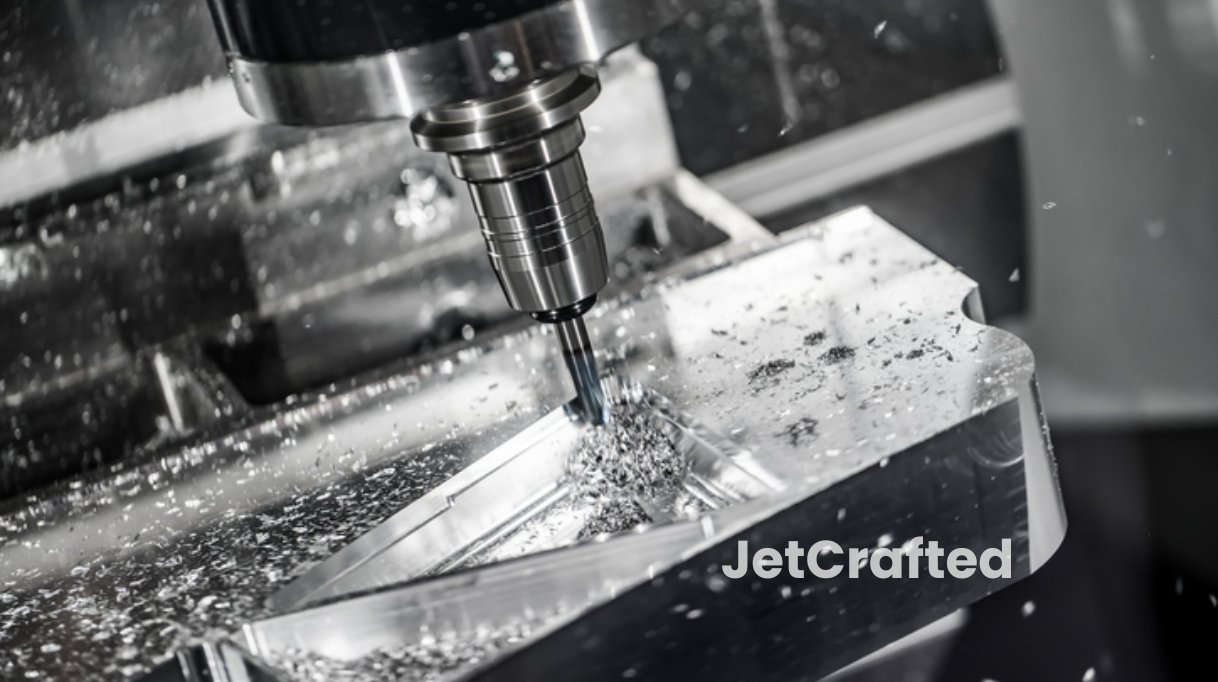
CNC prototyping, which leverages Computer Numerical Control (CNC) technology, is a fundamental aspect of modern manufacturing. It transforms digital blueprints into tangible, high-precision parts and is renowned for its accuracy across a range of materials.
In the fast-paced world of manufacturing, CNC machining fulfills a critical role by providing rapid prototyping and end-use production capabilities. It allows for the creation of parts with complex geometries that manual machining couldn’t achieve efficiently.
Whether you’re developing a single prototype or mass-producing parts, CNC machining offers the scalability and versatility needed to adapt to various production demands.
Understanding what rapid prototyping is will provide you with a solid foundation for appreciating its role in product development and manufacturing. It’s an invaluable asset in industries ranging from aerospace to medical devices, where precision and quality are paramount.
The Role of CNC in Prototyping
CNC prototyping is a versatile tool utilized across numerous industries to transform innovative ideas into functional prototypes. This method is particularly invaluable when precision, repeatability, and material versatility are critical.
In the aerospace industry, CNC is used to produce complex, lightweight components that must withstand extreme conditions. Automotive manufacturers, on the other hand, rely on CNC for both prototyping and production of durable, high-precision engine parts and chassis systems.
In the medical field, CNC prototyping is essential for creating custom surgical tools and implants tailored to individual patient needs. This allows for rapid testing and iteration, ensuring that the final products are both safe and effective. Consumer electronics benefit from CNC’s ability to produce robust prototypes with the fine details necessary for compact and intricate devices.
Techniques and Processes Involved in CNC Prototyping
CNC prototyping encompasses several key processes: milling, turning, and drilling. Each plays a crucial role in transforming a raw material into a finished prototype:
- Milling. Involves the use of computer-controlled rotary cutters to remove material from a workpiece. This process is highly versatile and can create a wide range of shapes and features, such as slots, holes, and even complex three-dimensional surfaces.
- Turning. Employs a lathe to position the workpiece against the cutting tool. It’s primarily used for creating cylindrical parts such as rods and shafts. In the prototyping phase, turning can achieve parts with precise radial symmetries and smooth surfaces.
- Drilling. Drilling creates round holes in a workpiece using a rotating drill bit. This process is often used in conjunction with milling and turning to add final details to a prototype, such as screw holes or cavities necessary for assembly.
Understanding Rapid Prototyping
Unlike traditional manufacturing methods, which often involve lengthy and costly tooling and setup phases, CNC rapid prototyping uses 3D CAD data to create physical models directly and quickly. This shift allows for greater flexibility and iteration without incurring high costs.
The essence of rapid prototyping lies in its additive manufacturing techniques, such as 3D printing, where layers of material are built up to form the final product. This method is starkly different from traditional subtractive processes like CNC prototyping, which removes material from a solid block to shape the part. By adopting rapid prototyping, you can reduce material waste, enhance design adaptability, and push innovative products to market faster.
The Different Rapid Prototyping Technologies
Rapid prototyping encompasses several innovative technologies, each with unique capabilities that cater to different prototyping needs. Here’s a closer look at some of the most prominent:
- Stereolithography (SLA). SLA is one of the earliest forms of 3D printing. It works by using an ultraviolet laser to cure a resin in a vat layer by layer, which hardens upon contact with the laser. SLA is highly valued for its precision and ability to produce smooth-surfaced objects with fine details.
- Selective Laser Sintering (SLS). At the center of the method is a laser that sinters powdered materials, binding them in the process into one solid structure. This technique doesn’t require support structures since the powder itself supports the item being printed. It’s particularly useful for creating durable prototypes from a variety of materials.
- Fused Deposition Modeling (FDM). FDM builds objects one layer at a time, starting from the bottom. Throughout, it uses heat and thermoplastic filament extrusion. The technology is popular due to its cost-effectiveness, color variety, and material choices, which include common plastics like ABS and PLA.
- Digital Light Processing (DLP). DLP technology uses digital light projectors to cure photopolymer resins. The major advantage of DLP over SLA is its speed, as it can cure entire layers of resin at once rather than drawing them out with a laser.
Advantages of CNC Prototyping
As one of the most utilized modern production methods, CNC prototyping offers lots of benefits, depending on the project type, time requirements, and target materials.
Some of those advantages include:
1. Precision and Accuracy
CNC prototyping is celebrated for its exceptional precision and accuracy. Its ability to consistently produce parts with tight tolerances is unmatched, allowing designers to achieve complex, intricate designs with smooth finishes. This precise control enhances the quality of each component and significantly reduces the margin for error.
Whether you’re creating single prototypes or mass-producing parts, CNC machining provides the reliability and exactitude needed to meet rigorous standards and deliver superior products.
2. Material Flexibility
CNC prototyping stands out for its remarkable versatility in handling a wide range of materials, making it exceptionally suitable for diverse manufacturing needs:
- Metals. CNC prototyping works on everything from aluminum and steel to exotic alloys and precious metals. This capability is crucial for industries requiring durable, high-strength parts, such as aerospace and automotive.
- Plastics. From ABS and polycarbonate to PEEK and nylon, CNC prototyping can handle various plastics, allowing for the production of lightweight, cost-effective parts used in everything from consumer electronics to medical devices.
- Composites. CNC machines efficiently work with composite materials like carbon fiber and fiberglass, which are essential for applications demanding strength combined with lightness, such as in sporting goods and automotive components.
3. Strength and Durability
CNC prototyping is also renowned for producing parts that aren’t only precise but also exceptionally strong and durable. This is primarily due to the subtractive manufacturing process, which maintains the integrity of the bulk material. Unlike additive processes, CNC prototyping carves out the product from a single block of material. This ensures that the internal structure of the material remains intact, enhancing the overall strength of the part.
CNC machines can handle a wide array of robust materials, including titanium, stainless steel, and hardened metals, which are known for their superior strength and durability. This makes CNC parts ideal for applications where reliability under stress and wear is critical.
The precision of CNC prototyping not only allows for complex geometries but also ensures that each part fits perfectly with others in assemblies. This precise alignment can significantly reduce wear and tear, further enhancing the longevity and durability of the overall product.
4. Surface Finish
CNC prototyping is particularly highly regarded for its ability to achieve superior surface finishes directly from the machine when crafting prototypes, setting a high standard in manufacturing aesthetics and functional surface quality. CNC machines use precise, controlled cutting tools that move seamlessly along predefined paths, minimizing the occurrence of surface imperfections and achieving smooth finishes. This allows for the production of parts with surface roughness levels that can often meet specifications without additional processing.
Depending on your project’s requirements, CNC machines can be adjusted to alter the surface finish. Tool selection, cutting speed, and feed rate can all be finely tuned to produce matte to high-gloss finishes. This customization ensures that the parts meet any aesthetic criteria.
Due to the high-quality surface finishes directly off the machine, parts often require less post-processing, such as sanding or polishing. This can significantly reduce the overall manufacturing time and cost while still delivering parts that are ready for immediate use.
5. Cost-Effectiveness for High-Volume Production
CNC prototyping as a production process is often perceived as less cost-effective for small production runs due to its initial setup costs. However, its economic value becomes more apparent as production volumes increase.
- Amortization of Setup Costs. The initial setup for CNC prototyping, including programming and fixture preparation, represents a significant portion of the overall cost. As the volume of parts produced increases, these fixed costs are spread over a larger number of units, effectively reducing the cost per part.
- Reduced Labor Costs. CNC machines operate automatically once programmed. They require minimal supervision compared to manual processes, thus significantly reducing labor costs. For higher production volumes, this means you can maintain continuous production with less human intervention, maximizing throughput and efficiency.
- Consistency and Reduced Waste. CNC prototyping’s precision and repeatability minimize the rate of defective parts and material wastage. Over larger production runs, this consistency ensures that almost every piece meets quality standards without the need for rework, further driving down the cost per unit.
Advantages of Rapid Prototyping
Rapid prototyping, compared to CNC, features some notable differences, which, in turn, means that this method excels in some areas where CNC falls behind. Depending again on the specific needs of your project, you can expect the following benefits from opting for rapid prototyping:
1. Speed and Rapid Iterations
One of the standout advantages of rapid prototyping is its exceptional ability to facilitate quick turnaround times and enable rapid iteration of designs.
This agility is crucial when speed from concept to prototype is a priority, allowing you to evolve your designs based on real-world testing and feedback quickly:
- Speed of Production: Rapid prototyping technologies, especially 3D printers, have minimal setup requirements compared to traditional manufacturing methods. This allows you to go from a digital model to a physical prototype in just hours or days rather than weeks, dramatically accelerating the development cycle.
- Facilitation of Iterations. The quick production process not only speeds up initial prototyping but also makes subsequent iterations feasible in a much shorter timeframe. You can refine prototypes based on testing results and feedback without significant delays, ensuring that the final design is both innovative and practical.
2. Design Freedom and Complexity
Rapid prototyping offers unparalleled design freedom, which is particularly beneficial when creating complex and intricate parts. This flexibility stems from the additive manufacturing process used in techniques such as 3D printing, where layers are built up to form the final product without the constraints of traditional manufacturing methods.
- Complex Geometries and Internal Features. With rapid prototyping, you can produce designs that include complex internal channels, overhangs, and geometries that would be impossible or prohibitively expensive with CNC prototyping. This capability is especially valuable in fields like aerospace and biomedical engineering, where customized, complex designs are often required for new innovations.
- Material and Structure Experimentation. Rapid Prototyping allows for the use of multiple materials within a single print, enabling the creation of parts with varied material properties like rigidity and flexibility. Additionally, you can experiment with lattice structures and other complex features that reduce weight while maintaining strength.
3. Reduced Tooling Costs
Rapid prototyping is particularly advantageous for reducing or even eliminating tooling costs, which are typically associated with traditional manufacturing methods. This benefit is especially significant in the early stages of product development and for small production runs.
Unlike injection molding or die casting, rapid prototyping technologies such as 3D printing don’t require the creation of molds or custom tooling. Each part is built directly from digital 3D models, which can be modified and reproduced without additional tooling costs. This not only saves on the upfront expenses but also reduces the time needed to begin production.
The absence of dedicated tooling allows for greater flexibility in modifying designs without incurring significant costs. Changes can be implemented quickly in the digital model and directly reflected in the prototype. For low-volume or custom parts, rapid prototyping is particularly cost-effective because it avoids the high setup costs associated with traditional tooling.
4. Functional Prototypes
Rapid prototyping excels at creating functional prototypes that can be tested in real-world applications. This capability allows you to bring theoretical designs into the tangible world, where they can undergo practical testing and evaluation.
- Real-World Testing. Functional prototypes aren’t just visual models; they’re fully operational versions of your product that can interact with the physical environment as intended. This testing is crucial for assessing the performance, durability, and user interaction of your designs under actual operating conditions.
- Immediate Feedback and Iteration. By using rapid prototyping to produce functional prototypes, you can quickly gather feedback on how well a product meets its intended use. This direct testing leads to valuable insights that can be incorporated into design iterations immediately, significantly accelerating the development process.
- Risk Reduction. Early and thorough testing of functional prototypes helps identify and rectify potential issues before they become costly errors in mass production. Testing ensures that the risk of product failures is minimal, safeguarding your brand reputation.
5. Customization and Personalization
Rapid prototyping stands out for its exceptional ability to accommodate customization at nearly every stage of the design and manufacturing processes. This flexibility is invaluable in industries where personalization is key to meeting specific user needs. With rapid prototyping, each part can be customized without impacting the overall production process or cost significantly. This is because modifications are made digitally and do not require any physical changes to tooling.
Rapid prototyping technologies support a wide range of materials, each with distinct properties and finishes. This variety allows you to choose materials not just based on functional requirements but also to meet specific aesthetic or tactile qualities.
The advanced capabilities of rapid prototyping machines to handle complex geometries enable you to realize designs that are tailored to exact specifications that traditional methods might not accommodate. This includes intricate patterns, complex internal structures, and precise fittings.
CNC vs. Rapid Prototyping: Making a Selection
Now that we know the features and use cases of each, it’s time to compare them in order to help you make a selection that will fit your manufacturing needs.
1. Project Requirements and Objectives
When selecting the most appropriate manufacturing method for your project, it’s essential to carefully assess specific requirements that will influence this decision:
Evaluate the complexity of your design. Does it feature intricate details or require high precision? CNC prototyping excels in producing precise and durable parts, while rapid prototyping is ideal for complex shapes that might be difficult to achieve traditionally.
Consider the type of materials required. CNC prototyping offers a wide range of compatible materials, including metals, plastics, and composites that can withstand functional testing. Rapid prototyping may offer fewer material options but is excellent for faster model iterations.
Think about the quantity of parts needed. CNC prototyping is cost-effective for larger runs due to economies of scale, whereas rapid prototyping can be more economical for small batches where frequent design changes are anticipated.
Finally, consider your budget. CNC involves higher setup costs, making it less suitable for low-volume productions unless high precision is necessary. Rapid prototyping requires less initial investment, making it a cost-effective choice for early-stage design verification and testing.
2. Time Constraints and Deadlines
Choosing the right prototyping method based on project timelines requires a strategic approach to ensure deadlines are met without compromising on quality.
Rapid prototyping typically offers faster lead times compared to CNC due to its simpler setup and direct from digital to physical process. This makes it ideal for projects with tight deadlines or those in the early stages of development that may require quick iterations.
If your project demands high precision or involves complex parts, CNC prototyping might be necessary despite longer lead times. In such cases, plan your timeline accordingly to accommodate the extra time needed for machining and setup.
Rapid prototyping allows for easier and quicker modifications, which can be crucial if your project is likely to undergo design changes. This flexibility can significantly speed up development cycles, allowing for more dynamic testing and adaptation.
3. Budgetary Constraints
Budget considerations play a crucial role in deciding between CNC and rapid prototyping. Each has distinct cost implications depending on the specifics of your project.
CNC typically requires a higher initial investment due to the need for extensive setup, precise tooling, and programming. This makes it more suitable for projects where the budget can accommodate upfront costs in exchange for precision and durability.
For small to medium-sized production runs, rapid prototyping can be more cost-effective due to lower initial setup costs and the absence of specialized tooling. This is particularly advantageous for projects with limited budgets or where multiple iterative cycles are expected.
Consider the material costs associated with each method. CNC is applicable to a wide range of different materials, including expensive metals, which may increase costs. Rapid prototyping typically uses less costly materials, but the choice of technology might limit material options.
4. Material Properties and Performance
Material choice significantly impacts whether CNC or rapid prototyping is more suitable for your project, as each method has its strengths and limitations concerning material compatibility:
- CNC Prototyping. This method is renowned for its ability to work with a diverse range of materials, including metals, plastics, and composites. If your project requires parts with high strength, thermal resistance, or specific electrical properties, CNC offers the versatility to handle these robust materials effectively.
- Rapid Prototyping. Generally more limited to plastics and resins, although metal and ceramic options are increasingly available. If your project benefits from lightweight, complex designs and doesn’t require the material properties to withstand extreme conditions, Rapid prototyping could be the more cost-effective and faster option.
5. Design Complexity and Geometry
Selecting the right manufacturing method based on the complexity and detailed needs of your design involves a strategic evaluation of both CNC and rapid prototyping.
Here are some essential tips to guide your decision:
- Assess Design Complexity: If your design includes intricate details or complex geometries that are difficult to fabricate using traditional methods, rapid prototyping might be the better choice. Technologies like SLA or SLS excel at creating highly detailed and complex structures quickly and without the need for tooling.
- Consider Material Requirements. Evaluate the material properties required for your design. If your project needs materials with high strength, durability, or specific thermal or electrical properties, CNC may be more appropriate as it can handle a broader range of robust materials, including metals and tough plastics.
- Evaluate Tolerance and Precision Needs. Determine the precision levels required for your design. CNC provides superior precision and tighter tolerances compared to most rapid prototyping methods. If your design demands exact dimensions and fits, particularly for functional parts or assemblies, CNC is likely the more suitable option.
Conclusion
In the debate of CNC vs. rapid prototyping, each method offers distinct advantages tailored to different aspects of product development. CNC excels in precision, material versatility, and durability, making it ideal for projects requiring meticulous detail and robust parts.
On the other hand, rapid prototyping shines with its quick turnaround times and flexibility, perfect for iterative designs and complex geometries that traditional methods might struggle to achieve. As you weigh the options for your next project, consider the specific requirements of your design, including the complexity, material needs, volume, and the criticality of precision.
For expert guidance and top-notch prototyping services, consider partnering with JetCrafted. Our extensive experience and cutting-edge technology equip us to bring your visions to life with efficiency and precision. Let JetCrafted help you navigate the complexities of prototyping, ensuring your projects aren’t only successful but also innovatively advanced.
FAQs Section
1. What is the key difference between Rapid Prototyping and CNC prototyping?
CNC prototyping is a subtractive process ideal for high precision and durable materials, suitable for both prototyping and production. Rapid prototyping, primarily through 3D printing, is additive and excels in speed and flexibility for complex geometries but involves less durable materials.
2. When should I choose CNC over Rapid Prototyping?
Choose CNC when your project requires high precision, specific materials like metals, or when you need a higher volume of parts that benefit from economies of scale.
3. Can Rapid Prototyping be used for production?
Yes, rapid prototyping can be used for production, especially for small batches, custom pieces, or products where complex geometries are not cost-effective to produce through traditional methods. However, material limitations should be considered.
4. How does material choice affect the CNC vs. Rapid Prototyping decision?
Material choice is crucial; CNC can handle a broader range of durable materials including tough metals and plastics, suitable for functional parts. Rapid prototyping is generally limited to resins and plastics, which are best for aesthetic models and design verification.