
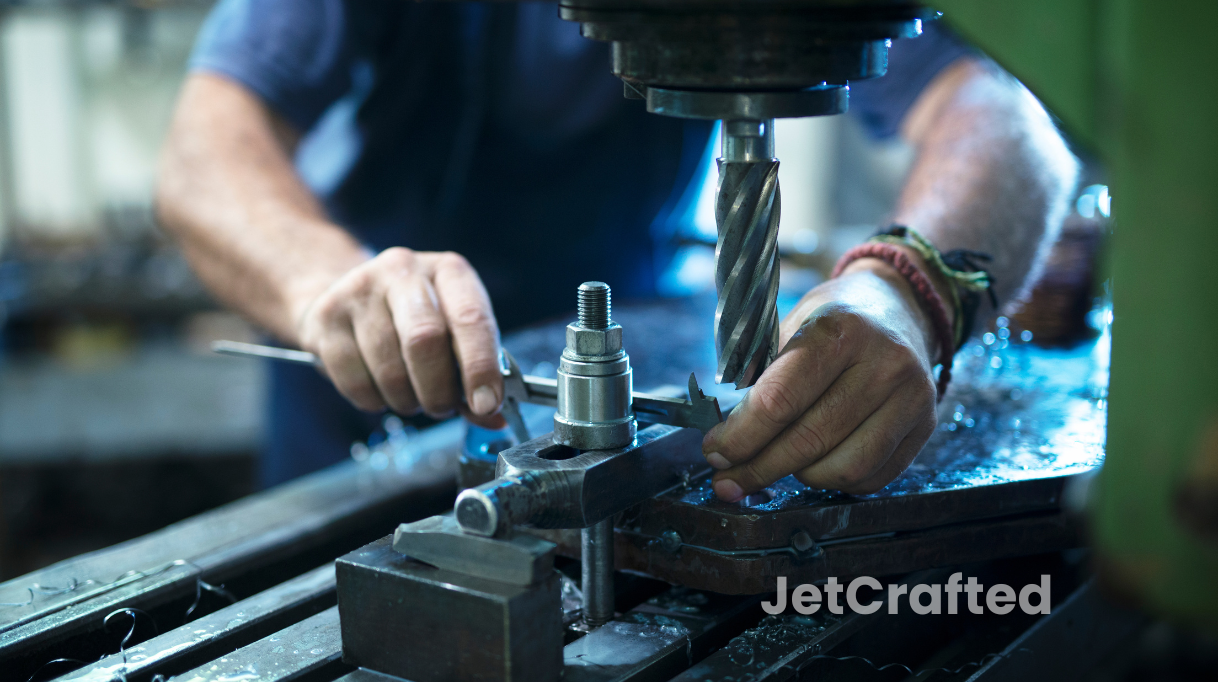
Just like in any business, getting into CNC machining comes with its own overhead expenses, the biggest of which is the price of the CNC machine itself. But how much is a CNC machine in total? Well, the CNC machine costs are influenced by many factors, such as the machine’s capabilities, size, additional features, and brand name, to name a few.
If you’re in the market for a CNC machine, this article can help you make the best financial decision. We’ll go over every aspect that can influence the cost of one of these machines and explain why that is. o let’s get into it!
Factors That Affect CNC Machine Price
Many who’ve looked at CNC machine prices have asked, “Why are CNC machines so expensive?” and you’re probably wondering the same thing. While the initial investment may seem steep, the benefits these machines can bring to your manufacturing operations often justify the expense.
Thanks to the different types of CNC machines and their many specialized components, the CNC market continues to grow and is expected to reach $140.78 billion by 2028.
Power and Controller
High-power machines are designed to handle heavy-duty tasks, cutting through hard materials with precision and speed. The controller oversees this. Naturally, advanced controllers with high computing power and features come at a higher price.
For example, a CNC mill with a sophisticated controller that can make intricate movements and control speed precisely will be more expensive than a machine that can only perform simple movements. The types of controllers, such as those found in a CNC router versus CNC plasma cutters, can affect the price differently.
Application
Certain applications require specialized machines that can handle unique tasks, which also drives up the cost. For example, a machine equipped with a vacuum pump for holding down materials during cutting will be more costly than one without this feature.
Industries with specific needs, such as aerospace or automotive, may require customizations that lead to premium pricing. Whether it’s CNC milling machines for intricate shapes or CNC routers for woodworking, the specific demands of each application heavily influence the cost.
Size of the Machine
Now, larger machines with larger working areas and the ability to handle larger workpieces are usually more expensive. The machine’s size also influences the workspace requirements, which can add to the cost of housing the machine and providing the necessary infrastructure.
Compact CNC machines, on the other hand, might be less expensive, but they’re also limited in the size of the workpieces they can accommodate.
Extra Features
The base price of a CNC machine can increase significantly with the addition of common features. For example, machines equipped with an Automatic Tool Changer (ATC) have a higher price due to their increased speed and efficiency. Cooling systems and software upgrades can also add to the cost, but they may provide long-term benefits that outweigh the upfront costs.
As a buyer, you must consider your future needs for additional features, as retrofitting can sometimes be more expensive than purchasing a machine already equipped with the same features.
Brand and Reputation
The manufacturer’s reputation can also influence the cost of a CNC machine. Established brands known for their reliability and performance come with a premium price tag, offering warranty terms and customer service.
On the other hand, emerging manufacturers might offer competitive pricing to attract customers, but it’s essential to weigh this against potential risks, as you can never be sure how reliable the machine will be or how long customer support will be available after the sale.
Additional Factors
The price of CNC machines isn’t determined just by their physical components or the brand name. There are a few other facets that influence the price, including:
- Software. CNC machines often rely on software packages for design, programming, and simulation. These can be proprietary programs or widely used industry standards and can significantly impact the price.
- Warranty. Standard warranties offer basic protection, while extended coverage and comprehensive service plans provide longer-term peace of mind. While it can increase upfront costs, an all-encompassing warranty and maintenance agreement can lower future costs for major repairs or routine maintenance.
- Location and Shipping. CNC machines aren’t small, and shipping costs can significantly increase the final price depending on your location.
Average Prices for CNC Machines
We’ve learned that prices for CNC machines vary widely based on the size of the machine, its capabilities, the presence of advanced features, and the machine’s overall complexity.
If you’re just starting, entry level CNC routers and desktop CNC machines offer a more cost-effective way to get started with CNC machining. These hobby CNC machines can have a price range from a few hundred dollars for the most basic units to several thousand dollars for more sophisticated models with higher precision.
At the other end of the spectrum, high-end CNC machines used in a professional machine shop can have a price tag well into the six figures. These machines usually feature powerful servo motors that enable high-speed, precise movements along various axes, which is vital for producing intricate shapes with tight tolerances. And often, with minimal human intervention.
Here’s a simple breakdown of the average CNC machine pricing for different types of machines:
| Machine Type | Average Price Range | Factors Affecting The Price |
| Desktop CNC Routers | $1,500 – $10,000 | Size, power, capabilities (3-axis vs. 5-axis), brand, software. |
| Hobby CNC Mills | $3,000 – $15,000 | Bed size, spindle speed, accuracy, build quality, control system. |
| Entry-Level CNC Lathes | $5,000 – $20,000 | Maximum turning diameter, chuck size, tool changer (manual vs. automatic), brand. |
| Professional CNC Mills | $50,000 – $100,000 | Axis configuration, travel distances, spindle power, control system sophistication, and material handling features. |
| Production CNC Lathes | $50,000 – $300,000 | $50,000 – $300,000 |
| High-End CNC Routers | $15,000 – $150,000 | Bed size, power, automation features, material compatibility, software complexity |
| Industrial CNC Plasma Cutters | $40,000 – $120,000 | Cutting thickness, table size, plasma source type, software features, automation |
| Industrial Fiber Laser Cutters | $100,000 – $500,000+ | Power output, cutting thickness, bed size, software, automation level, brand |
Please note that these are just average price ranges. The actual cost can vary significantly depending on the specific features and capabilities of the machine.
It’s also important to mention that there are price variations between different regions and suppliers. Local taxes, import duties, shipping costs, and the level of after-sales support offered by the supplier can all influence the final price tag of a CNC machine.
What Makes CNC Machines Special?
Considering the hefty price tag, why would anyone use a CNC machine over a conventional machine? Traditional machining fully relies on the skill and speed of the person operating the tools, meaning the final products can be inconsistent and take a long time to produce in bulk.
On the other hand, the CNC machines we mentioned above are completely automated and use pre-programmed control commands to ensure high accuracy and consistency.
CNC machines can produce complex geometries with tight tolerances that manual machines simply cannot replicate. There’s even room for human operators and machinists, who need to be completely familiar with what a CNC machine is in order to take full advantage of its manufacturing potential.
Other CNC Machine Costs to Consider
Prospective buyers often think that the answer to the question “How much for a CNC machine?” involves just the price tag on the machine itself. Unfortunately, it’s not that simple. Several other expenses factor into the total cost of ownership of a CNC machine.
- Setup and Installation. Setting up a CNC machine involves not only placing it and securing it in its designated space but also properly connecting it to the power supply, compressed air, and coolant systems. You must calibrate the cutting tool, tool path, and other components precisely, which demands expertise and sometimes additional equipment.
- Ongoing Maintenance and Repairs: CNC machine tools are complex and require regular servicing to maintain optimal performance, including routine checks, replacing worn-out parts, and dealing with unexpected breakdowns. Neglecting maintenance can lead to more significant costs down the line, so you’d want to budget for these ongoing expenses.
- Software Licensing: CNC machines rely on up-to-date software to function efficiently, and these updates can sometimes come with a hefty price. Moreover, as technology advances, older machines may require software upgrades and updates or even new software suites to remain compatible with modern design files and machining processes.
- Staff Training: A CNC machine is only as effective as the individuals operating it. Proper training ensures that operators can use the machine to its full potential, understand the complexities of CNC programming, and maintain the equipment appropriately. However, the training costs will vary depending on the machine’s complexity and the operators’ existing skill level.
Making an Informed Purchase
Before committing to a new CNC machine, we advise you to take your time and do your research to see what’s available on the market. Compare the specifications and capabilities of various CNC machines while paying close attention to their capabilities, versatility, and additional equipment.
You can consult with industry experts and other machine users. They can provide valuable insights into the machine’s performance and maintenance requirements.
Considering the long-term value of a CNC machine is also crucial. Its speed, efficiency and ability to maintain tight tolerances can greatly impact productivity and the quality of finished parts. Assessing the return on investment (ROI) is about looking at how the machine will contribute to your operations over time, including its versatility and its consistency in mass production.
In Conclusion: The Final Price
As we can see, the answer to “How much is a CNC machine?” is multifaceted. It depends on the type of CNC machine, its primary function, additional features, and even the software required to run it. From the precision of the tool path to the tight tolerances it can manage, all of this affects the total cost you can expect to pay.
As a prospective buyer, you should carefully weigh the machine’s speed and efficiency against your specific production needs. By considering all these aspects, businesses and hobbyists alike can make an informed decision that maximizes their ROI when buying a CNC machine.
FAQs
1. What is the lifespan of a typical CNC machine?
A typical CNC machine has a lifespan of about 10 to 15 years, depending on its type, how often you use it, and if you maintain it regularly. However, some machines can last up to 20 years or more with proper maintenance and sparing use.
2. Can buying a used CNC machine be cost-effective?
Purchasing a used CNC machine can be cost-effective, especially for small businesses or startups. It allows access to advanced technology at a lower price point. However, potential buyers should assess the machine’s condition, maintenance history, and compatibility with current manufacturing needs to ensure value.
While there are no hidden costs when it comes to buying a CNC machine, you should always factor in the price of installation, staff training, tooling, maintenance, repairs, and potential downtime. Future upgrades for software or hardware compatibility may also incur additional expenses.
4. How often do CNC machines require maintenance, and how does this affect costs?
CNC machines generally require regular maintenance every six months to a year to prevent breakdowns and ensure accuracy. Neglecting maintenance can lead to costly repairs and downtime, so maintenance costs are crucial for budgeting as they contribute to the overall cost of machine operation over time.