
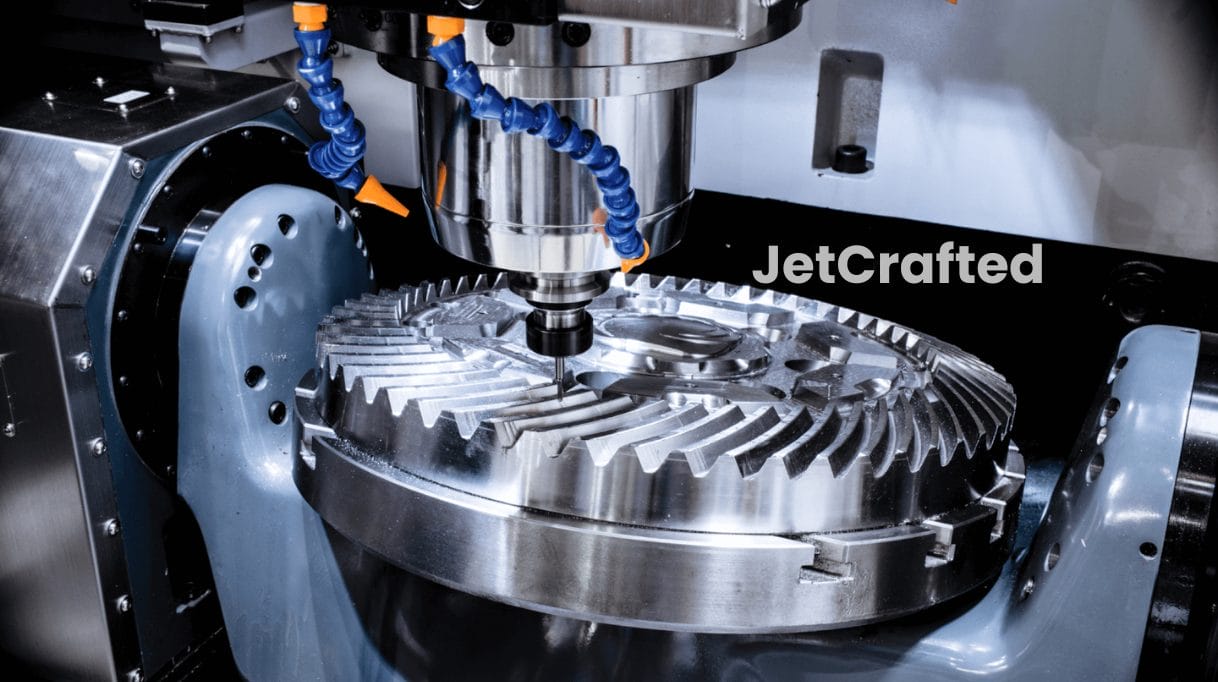
CNC machining is a versatile machining method and has become a go-to for a wide range of applications, like rapid tooling, injection molding, metal casting, and much more. Despite the many machines the industry uses, the CNC mill machines are the most popular, thanks to their versatility.
What makes CNC milling so appealing is the variety of milling operations it can handle, making it possible to manufacture almost anything with the help of this machine. Whether you’re shaping a prototype, crafting detailed components, or customizing parts, the different types of CNC milling allow machine operators to meet the specific needs of each project.
Each type of milling has specialized capabilities and is suited for use on various materials, so no matter the complexity of the task, there’s a milling operation that fits the bill. In this article, we’ll learn about the different types of CNC milling operations and what you can use them for.
What Is CNC Milling Used for?
If you’re unfamiliar with the process, CNC milling is a type of machining that uses controlled computer commands to guide cutting tools to remove material from a workpiece to shape or finish it. Unlike traditional milling, which relies on manual control, computer numerical control CNC milling allows for highly detailed and precise movements of machine tools.
Once programmed, CNC milling machines can produce large quantities of parts, speeding up production times and lowering costs.
This method differs from turning machines, where the cutting tools stay in place, and the workpiece rotates against them. Usually, manufacturers use CNC milling to create components that must have precise and accurate dimensions. That includes aerospace components, automotive parts, medical devices, and electronics.
Different Types of CNC Milling Machines
When we use the term CNC milling machine, we’re not referring to only one type of machine. Depending on the project, the industry uses several different types of CNC milling machines.
The most used kinds of CNC milling machines are:
- Vertical Milling Machines (VMCs). These machines have a vertical spindle orientation, allowing them to handle tasks like drilling and cutting. They’re useful for creating precision parts where the material needs to be removed from the top down. They often have an automatic tool changer, improving their efficiency.
- Horizontal Milling Machines (HMCs). HMCs have a horizontal spindle configuration used for heavy material removal. They’re often the go-to choice for creating large parts or working with hard materials.
- Multi-axis Milling Machines. These machines work on several axes simultaneously to create complex shapes and designs. They can pivot the workpiece in various directions, using drill bits and other tools to cut from nearly any angle.
Different Types of CNC Milling Operations
In most cases, CNC milling machines are used to shape, cut, and finish parts with precision and give them a smooth finish. This capability makes them a staple in machine shops around the world. It doesn’t matter what material you’re working with; they can handle anything from metal to plastic. Here’s a closer look at some of these CNC milling operations:
- Surface Milling. This operation removes the excess material from a workpiece’s surface to create a flat area. Technicians often use this method to achieve a high-quality finish on the workpiece or to prepare the surface for further machining. Surface milling can vary in complexity, from simple flat surfaces to more complex geometric patterns.
- Face Milling. This operation targets the surface of a workpiece at a right angle to the cutting tool’s axis. It can create smooth and precise flat surfaces. The process involves a cutter with teeth on the periphery and face, allowing it to remove material efficiently. Face milling can create large flat areas with a smooth finish on a part.
- Angular Milling. Angular milling requires specific types of CNC milling tools that perform at various angles. It’s ideal for creating slots or grooves at an angle and can machine many shapes and features.
- Form Milling. This operation can create non-flat surfaces like curves and contours. Form milling cutters come in various shapes and sizes to accommodate the diverse forms. It’s useful for projects with unique designs or custom fits.
- Helical Milling. During the milling process, the cutter moves along a helical path, which can make screws or gear teeth.
- High-speed Milling (HSM). These operations involve high cutting speeds and feed rates, which reduces production times. This method can machine hard materials and achieve finer finishes without compromising the workpiece’s integrity.
These different operations mean there are many advantages to using CNC milling you should be aware of. It offers unmatched precision, efficiency, and repeatability, reducing the margin for error and waste material.
Expand Your Machining Horizons With CNC Milling
CNC milling machines have earned their popularity in the industry for good reason. They offer unmatched versatility and precision, making them the go-to choice for many manufacturing tasks. The various types of CNC milling operations mean that no matter how complicated a project is, there’s likely a machine tailored to meet those specific needs.
Exploring the different types of CNC milling services can open up many possibilities for creating more intricate and detailed projects. By knowing the capabilities of each machine, users can push the boundaries of what’s possible in CNC machining, leading to innovation and efficiency in manufacturing.
FAQs
1. What materials can I use with CNC milling?
CNC milling machines work well with many materials, including metals like aluminum and steel, plastics such as ABS and polycarbonate, and even wood. The choice of material depends on what you need the part for and how durable you want it to be. Because of this flexibility, you can create parts for different industries – from aerospace components to consumer electronics.
2. How are CNC milling machines and CNC plasma cutting machines different?
These machines have very different cutting methods and applications. CNC milling uses a rotating tool to remove material from a workpiece to create precise shapes and details. On the other hand, CNC plasma cutting uses a plasma torch to cut through electrically conductive materials like steel and aluminum. Plasma cutting is best for large and simple metal shapes.
3. Can CNC milling produce parts with any geometry?
CNC milling can produce parts with almost any geometry, from simple flat surfaces to complex 3D shapes. The machine’s advanced software controls the cutting tools’ movements with high precision and creates intricate details and tight tolerances. However, the complexity depends on the machine’s specific capabilities, such as the number of axes it operates on.