
Think about turning your ideas into actual products almost overnight. That’s the magic that the various types of rapid prototyping can create. This game-changing technology has completely transformed how we develop new products, making the process faster and more efficient than ever before.
With rapid prototyping, the traditional barriers of time and cost are significantly reduced, allowing for quick iterations and immediate feedback, which accelerates the overall development cycle.
Whether you’re working on the next big gadget, an innovative medical device, or a complex automotive component, rapid prototyping can help bring your vision to life quickly and accurately. This process not only speeds up development but also enhances the precision and quality of prototypes, ensuring that the final product meets exact specifications and performance standards.
In this article, we’ll explore the world of rapid prototyping, exploring the various methods and techniques that are reshaping product design and manufacturing. From additive manufacturing to subtractive techniques and hybrid methods, we will cover the spectrum of available options and their specific advantages.
Get ready to discover how you can use these cutting-edge technologies for your next project.
Various Additive Manufacturing Techniques
The term additive manufacturing, commonly known as 3D printing, encompasses several innovative types of rapid prototyping process types that build objects layer by layer from digital models.
These methods offer unique advantages in terms of precision, material diversity, and speed, making them a cornerstone of modern rapid prototyping. Let’s delve into some of the most prominent additive manufacturing techniques:
The Use of Stereolithography (SLA)
Stereolithography (SLA) is one of the earliest and most reliable additive manufacturing techniques, operating by using a laser to cure liquid resin into solid structures, layer by layer. This method delivers exceptional precision and smooth surface finishes, perfect for crafting detailed and complex prototypes.
SLA excels at producing fine details, which is crucial for delicate and intricate designs. The prototypes generated by this technique typically feature a high-quality finish, often necessitating minimal post-processing. This makes SLA particularly useful for applications such as dental models, jewelry, and intricate mechanical parts, where precision and detail are key.
Additionally, the high level of detail achievable with SLA ensures that even the most complex designs can be accurately reproduced. This makes it a preferred choice for industries requiring exact replicas of their designs.
Understanding Selective Laser Sintering (SLS)
Selective Laser Sintering (SLS) employs a laser to bind powdered materials together, transforming them into solid, three-dimensional objects. The materials used in SLS can include nylon, plastics, metals, or ceramics. The flexibility in material choices makes this technique perfect for producing durable, functional prototypes capable of withstanding extensive testing.
Prototypes created with SLS can endure extensive testing and functional use, making them highly durable. SLS is extensively utilized in the aerospace, automotive, and medical sectors.
The ability to produce parts that maintain their structural integrity under stress is a significant advantage of SLS, allowing for the development of components that can be tested in real-world conditions.
How We Can Use Fused Deposition Modeling (FDM)
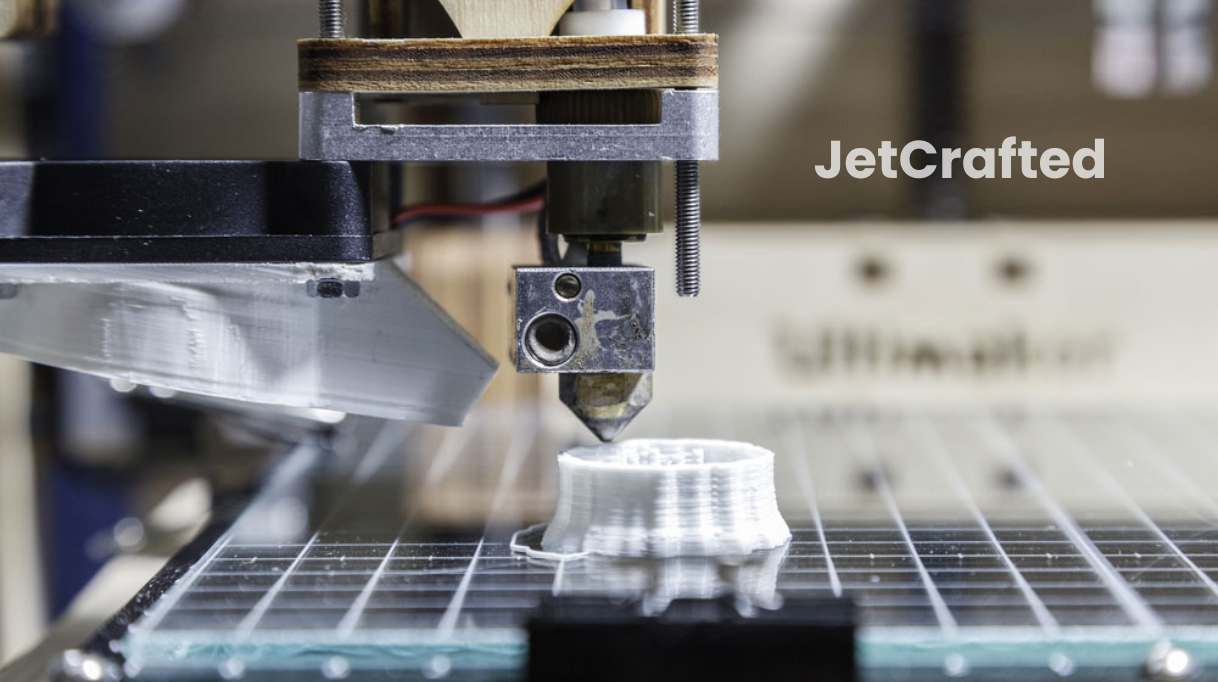
Fused Deposition Modeling (FDM) stands out as one of the most popular and user-friendly additive manufacturing methods. It operates by melting thermoplastic filaments, which are then extruded through a heated nozzle to build the prototype layer by layer. Due to its cost-effectiveness, FDM is highly accessible to a wide range of users.
The process is straightforward and suitable for beginners and experts alike. A wide range of thermoplastic materials are available for FDM, enhancing flexibility in design and allowing for the creation of prototypes with diverse properties.
Due to its versatility, FDM can be applied for educational purposes, hobbyist projects, and industrial applications because. Its ability to quickly produce prototypes at a low cost makes it an invaluable tool for iterative design processes and rapid prototyping.
The Essence of Digital Light Processing (DLP)
Digital Light Processing (DLP) is similar to SLA but uses a digital projector screen to flash an entire image of a layer simultaneously. This results in faster printing times while maintaining high resolution and detail.
The technique is used for intricate designs, ensuring that fine details are accurately captured. DLP is employed in the dental and jewelry industries to create precise designs that rely on speed and accuracy.
The ability to produce high-quality prototypes quickly makes DLP an excellent choice for industries that require rapid turnaround times and high precision, enabling faster product development cycles and more efficient workflows.By understanding the different types of rapid prototyping, you can select the most suitable method for your specific prototyping needs.
Subtractive Manufacturing Techniques and Their Function
Generally, subtractive manufacturing techniques involve removing material from a solid block to create a desired shape. These types of rapid prototyping methods are known for their high precision and ability to work with a variety of materials, making them a fundamental part of modern prototyping. Let’s explore some of the key subtractive manufacturing techniques:
Using CNC Machining
CNC (Computer Numerical Control) machining is a versatile and precise methods of subtractive manufacturing.
Accordingly, CNC prototyping uses CNC machines to precisely carve out parts from solid materials like metals, plastics, and wood. Known for its high accuracy and capability to produce complex geometries, CNC machining is ideal for creating detailed and functional prototypes across numerous industries. It is extensively used in aerospace, automotive, and medical device manufacturing.
The Usage of Laser Cutting and Engraving
Laser cutting can cut or engrave materials using high-powered lasers to achieve optimal precision. This technique is particularly effective for creating detailed parts from metal, plastic, wood, and even fabric. Laser cutting provides high precision, making it ideal for intricate designs that require exact measurements and clean cuts.
It offers material versatility and the ability to create highly detailed parts and patterns from different materials. This method is often used in industries that require intricate designs, such as electronics, fashion, and signage.
Engraving is perfect for adding detailed markings or logos to prototypes, enhancing both functionality and aesthetics. This dual capability of cutting and engraving with high precision makes laser technology a preferred choice for producing aesthetically pleasing and functionally robust prototypes.
By understanding these subtractive manufacturing techniques, you can choose the best method for your project’s specific needs, ensuring high-quality results and precise replication of your designs.
Different Formative Manufacturing Techniques
Formative manufacturing techniques involve shaping materials into desired forms using molds or other tools. These techniques are especially effective for producing small-batch prototypes and crafting parts with intricate geometries. Here are some of the primary formative manufacturing techniques:
Using Vacuum Casting
Vacuum casting involves using a master model, often produced through 3D printing, to create a silicone mold. This mold is then filled with liquid material, such as urethane or silicone, under vacuum pressure to produce parts. The master model is typically created using 3D printing, which provides high accuracy and detail.
This master model is then used to form a durable silicone mold. Vacuum pressure ensures that the liquid material fills the mold completely, reducing air bubbles and defects. This technique is famous for generating high-quality prototypes featuring fine details and smooth surfaces. Vacuum casting is commonly used in the automotive, consumer electronics, and medical industries for creating functional prototypes and low-volume production parts.
Injection Molding
Injection molding produces parts by injecting molten material, typically plastic, into a mold. This technique is exceptionally efficient for mass-producing large quantities of identical prototypes or production parts. The process involves heating the plastic until it reaches a molten state, then injecting it into a mold where it cools and hardens into the desired shape.
Due to its efficiency, injection molding significantly lowers per-unit costs for large-scale production, making it ideal for high-volume manufacturing. It is known for producing parts with consistent quality and high precision, making it ideal for detailed and complex shapes that require tight tolerances.
This method is extensively used in the manufacturing of plastic components across various industries, including automotive, consumer goods, and medical devices, due to its ability to maintain high precision and consistent quality.
Understanding these formative manufacturing techniques allows you to select the appropriate method based on your project’s requirements, such as volume, material properties, and the complexity of the design.
The Options of Hybrid Techniques
Hybrid manufacturing techniques combine the best aspects of both additive and subtractive methods, offering enhanced flexibility and precision in prototyping. By leveraging the strengths of multiple processes, hybrid techniques can produce highly detailed and functional prototypes efficiently. Here are some key approaches to hybrid techniques:
Additive and Subtractive Methods Used Together
Combining additive and subtractive methods involves using 3D printing to create a basic structure, which is then refined with CNC machining or other subtractive processes. This hybrid approach fuses the best aspects of both techniques to achieve rapid initial prototyping and enhanced precision in the final product.
- Initial 3D Printing: A part is quickly 3D printed to form the basic shape and structure.
- Subtractive Refinement: The printed part is then machined using CNC or other subtractive methods to achieve tighter tolerances and smoother surfaces.
- Advantages: Combines the speed and flexibility of additive manufacturing with the precision and finish quality of subtractive techniques.
- Applications: Particularly useful in industries where both speed and precision are critical, such as aerospace and automotive.
- Example: A part may be 3D printed to get a quick prototype, then CNC machined to refine the dimensions and surface finish, resulting in a high-quality, functional part ready for rigorous use.
Case Studies of Using Hybrid Prototyping
Many industries have successfully implemented hybrid prototyping techniques, showcasing their versatility and effectiveness in producing high-quality prototypes. These are some prototyping examples and case studies of their implementation:
- Aerospace Industry: The aerospace sector often combines metal 3D printing with CNC machining to create complex components. These components require both lightweight structures for fuel efficiency and high strength to withstand extreme conditions.
- Example: Metal 3D printing is used to form the basic shape of an engine component, followed by CNC machining to achieve precise dimensions and smooth surfaces.
- Medical Device Industry: Hybrid methods are extensively used to produce intricate surgical instruments. These instruments require precise dimensions and superior surface finishes to ensure safety and effectiveness during medical procedures.
- Example: A surgical instrument might be 3D printed to quickly form its complex geometry, then refined with CNC machining to achieve the exact tolerances and smooth finish necessary for medical use.
Some of prototyping best practices include selecting the appropriate method based on project requirements, considering material compatibility, balancing cost and precision, and iterating designs based on feedback. These practices ensure efficient development and high-quality prototypes that meet project goals.
Comparing Different Techniques
When selecting a rapid prototyping method, it’s essential to compare different techniques based on several key factors. This comparison helps determine the best approach for your specific project needs, ensuring results in terms of speed, material compatibility, cost, and precision.
Evaluating Speed and Efficiency
Different prototyping methods and techniques vary significantly in terms of speed and efficiency, each offering unique benefits depending on the project stage and the required output. Additive techniques like Fused Deposition Modeling (FDM) and Digital Light Processing (DLP) are known for their rapid production capabilities.
These methods can quickly produce prototypes, making them ideal for rapid iterations, concept validation, and early-stage design testing. Their ability to create complex geometries without the need for tooling reduces lead times significantly.
On the other hand, subtractive techniques, such as CNC machining, might take longer due to the material removal process. However, they provide superior precision and finish quality, which is essential for parts requiring tight tolerances and intricate details. While CNC machining may be slower, its accuracy makes it invaluable for later stages of development where detailed refinement is necessary.
Formative techniques like vacuum casting and injection molding can produce multiple copies of a prototype quickly once the initial mold is created, making them efficient for small-batch production. Vacuum casting is particularly useful for producing high-quality parts with smooth surfaces and fine details, while injection molding excels in creating large volumes of identical parts rapidly and consistently.
Considering Material Compatibility
Material compatibility is crucial when selecting a prototyping method, as it impacts the functionality and application of the final prototype. Additive methods, including Selective Laser Sintering (SLS) and Stereolithography (SLA), accommodate a broad spectrum of materials.
SLS can handle various powdered materials, including plastics, metals, and ceramics, making it suitable for functional prototypes that require specific material properties. SLA typically uses photopolymer resins, which are ideal for detailed and precise prototypes.
Subtractive techniques, such as CNC machining, are versatile and can process a range of solid materials, including metals like aluminum and steel, as well as plastics and wood. This versatility makes CNC machining suitable for prototypes that need to be made from specific materials that mirror the final product.
Formative methods like injection molding are generally limited to thermoplastics, which are ideal for creating parts with excellent mechanical properties. Thermoplastics used in injection molding can mimic the characteristics of production materials, making it a good choice for functional testing and end-use applications.
Comparing Cost
Cost is a significant factor in prototyping, influencing the choice of method based on budget constraints and production volume. Additive methods like FDM are generally more cost-effective for producing low-volume prototypes. The lower material and equipment costs make these methods accessible for small businesses and individual designers. FDM’s affordability makes it suitable for multiple iterations and prototypes at an early stage of development.
In contrast, CNC machining can be more expensive due to the cost of materials and the time required for machining. However, the superior precision and finish quality justify the higher costs for projects that demand high accuracy. CNC machining is a worthwhile investment for prototypes that will undergo rigorous testing and need to meet stringent quality standards.
Formative techniques such as vacuum casting and injection molding incur higher initial costs because of the mold creation process. However, these methods become cost-effective for medium to high-volume production runs, as the per-unit cost decreases with larger quantities. This makes them ideal for producing multiple units of a prototype, especially when consistency and repeatability are critical.
Precision and Accuracy Considerations
Precision and accuracy are paramount in prototyping, especially for parts that require detailed features and functional integrity. CNC machining and SLA are renowned for their high precision. CNC machining offers tight tolerances and high-quality finishes, making it suitable for intricate designs and parts that require exact dimensions. SLA provides high-resolution details and smooth surfaces essential for prototypes that must be visually and dimensionally accurate.
Additive methods like FDM may have lower precision compared to CNC machining, but they are sufficient for many applications, particularly in the early stages of development. The faster production times of FDM enable quick iterations and adjustments, making it an invaluable tool for prototyping.
Formative techniques like injection molding provide excellent repeatability and consistency, essential for producing large quantities of identical parts. This method ensures that each part meets the required specifications, making it ideal for functional testing and final production.
By comparing these different techniques based on speed, material compatibility, cost, and precision, you can make a smart decision about the best rapid prototyping method for your project.
How to Choose the Right Rapid Prototyping Technique
Selecting the appropriate technique for your project from all the different types of rapid prototyping is critical to achieving the desired outcomes in terms of functionality, quality, and efficiency. Here are a few key considerations when choosing the right rapid prototyping method:
A Few Key Factors to Consider
When deciding on a prototyping technique, several critical factors must be taken into account to ensure the best choice for your project. The complexity of the design is paramount. Intricate and highly detailed prototypes might require techniques that offer high precision, such as CNC machining or SLA. Material requirements are another vital consideration.
Different techniques support various materials, and your choice will depend on the physical properties needed for the prototype. The level of detail you use for the final prototype also influences the decision. Techniques like SLA and DLP offer high-resolution details, making them suitable for intricate designs.
Lastly, the production volume is crucial. For small-batch production, vacuum casting might be ideal, whereas for high-volume needs, injection molding would be more appropriate. When you know these factors, you can narrow down the best options for your specific requirements and make sure your project is being accurately executed.
Project Requirements and Goals
Your project’s specific requirements and objectives significantly impact the selection of the right prototyping method. If your prototype needs to be highly detailed and precise, techniques like CNC machining or SLA might be the best options due to their superior accuracy and their ability top operate in fine detail.
For example, CNC machining is excellent for producing complex geometries with tight tolerances, while SLA is perfect for creating detailed parts with smooth surfaces. If speed and cost are more critical to your project, methods like FDM or vacuum casting could be more suitable. FDM is known for its cost-effectiveness and rapid production capabilities.
Vacuum casting, on the other hand, allows for quick production of multiple copies once the mold is created, making it efficient for small-batch production. Clearly defining your project’s goals, such as the required functionality, aesthetics, and budget constraints, will guide you in choosing a method that aligns with those objectives.
Analysis of Cost
Conducting a cost-benefit analysis is essential to balance the expenses with the expected benefits of each prototyping method. Initial setup costs, per-unit costs, and overall project budget must be evaluated. Injection molding, for example, has higher upfront costs due to mold creation. However, in time it becomes more cost-effective for large production because the per-unit cost reduces significantly with volume.
That’s why you can use it to produce large quantities of parts with consistent quality. Conversely, 3D printing methods like FDM have lower setup costs, making them well-suited for low-volume production and rapid prototyping. However, the per-unit cost for FDM might be higher for larger quantities compared to injection molding.
Evaluating these costs against the benefits, such as production speed, precision, and material properties, ensures you choose a method that fits your budget and meets your project requirements. This thorough analysis helps in making an informed decision that optimizes both cost and quality for your specific prototyping needs.
By thoroughly considering these factors and project requirements you can choose the right rapid prototyping technique. This will help ensure that your prototypes are produced efficiently, meet the necessary quality standards, and are within budget.
Final Words
Rapid prototyping offers a diverse array of methods, each with unique advantages. Understanding these techniques—from additive methods like SLA and FDM to subtractive processes like CNC machining and formative techniques like injection molding—enables you to choose the best approach for your project.
At JetCrafted, we specialize in providing all kinds of quality CNC services, utilizing the latest techniques to bring your ideas to life with precision and efficiency. Whether you need detailed prototypes or high-volume production parts, our expert team is here to support your project from start to finish.
FAQs
1. Can you provide examples of successful rapid prototyping case studies?
In the automotive industry, hybrid techniques are used to create complex engine components. In the medical field, SLA is employed to produce precise anatomical models for surgical planning, demonstrating the versatility and effectiveness of rapid prototyping in various applications.
2. How do additive and subtractive prototyping methods differ?
Additive methods build parts layer by layer using materials like plastics and resins, allowing for complex geometries and rapid iterations. Subtractive methods, such as CNC machining, remove material from a solid block using cutting tools or lasers, offering high precision and fine details.
3. What are the benefits of using rapid prototyping?
Rapid prototyping offers numerous benefits, including faster design iterations, reduced development time, and the ability to quickly test and refine concepts. It allows for early detection of design flaws, improves communication among stakeholders, and enhances the overall efficiency of the product development process, leading to better final products.
4. What are the main types of rapid prototyping methods?
The main types of rapid prototyping methods include additive manufacturing (e.g., SLA, SLS, FDM, DLP), subtractive manufacturing (e.g., CNC machining, laser cutting), formative manufacturing (e.g., vacuum casting, injection molding), and hybrid techniques that combine these approaches for enhanced results.