
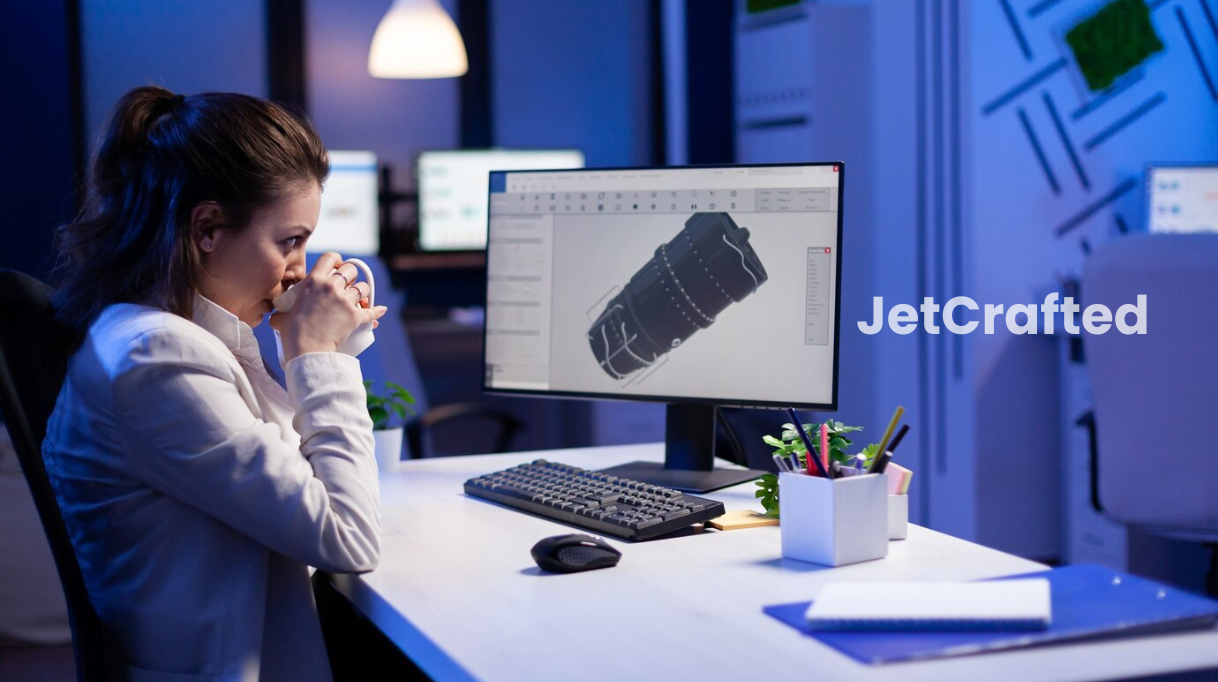
You might already have a basic idea of what prototyping is. But, you still have some unresolved questions: what is the purpose of prototyping and how do we know when to use it? The answer is simple: when we think about the goals of prototyping, we can understand it as a bridge between the initial design and the final product, offering a tangible preview of how ideas translate into physical forms.
Prototyping is not only fundamental for identifying and solving potential issues early on but also plays a key role in communicating ideas to stakeholders and streamlining the path to market readiness.
With advancements such as CNC prototyping and rapid prototyping, the advantages of integrating these practices into product design have never been more apparent, highlighting the essential nature of prototyping in achieving successful outcomes.
This article explores the core objectives of prototyping, from the validation of concepts and usability testing to the refinement of designs. Keep reading to learn more!
Definition and Importance of Prototyping
By understanding the meaning of prototyping, you will gain an insight into the best uses of prototyping and some strategic considerations. Let’s explore the various tools and techniques that revolutionize prototyping processes. Hopefully, what follows will answer your questions about what is rapid prototyping and what are its significant advantages.
What is Prototyping?
Prototyping is a crucial experimental process where design teams convert ideas into tangible forms, ranging from simple paper models to sophisticated digital simulations. The advantages of rapid prototyping are that it allows for the early testing and validation of design concepts, ensuring that a product effectively meets the needs of its target audience.
It is extensively used in various fields, such as design, electronics, and software programming, to enhance the precision of new designs.
Historical Development of Prototyping
Inventors have long used prototypes to explore and experiment with their ideas. For instance, Leonardo Da Vinci, known for his myriad inventions, used prototyping to visualize and test his innovative designs, which ranged from machines of flight to automated systems.
Similarly, the Wright brothers employed an iterative process of prototyping in developing the first airplane, relying on continuous testing and refinement rather than working from a finalized blueprint.
This iterative process has been integral to human innovation, allowing inventors and designers to materialize ideas and assess their functionality through physical forms. The practice of prototyping has evolved from simple physical models to incorporate advanced technologies like CNC prototyping and digital simulation, vastly expanding its applications and effectiveness in the design process.
Prototyping has always been a fundamental aspect of creative and scientific endeavors, providing a bridge between theoretical ideas and their practical implementation. It allows for the early detection of potential issues and facilitates the refinement of concepts before substantial resources are committed.
What Is The Purpose Of Prototyping?
Prototyping is an essential phase in product development that allows developers to visualize a product before it enters mass production. Here, we discuss the main goals of prototyping, focusing on ideation and validation, usability testing and feedback, design iteration, and stakeholder engagement.
Ideation and Validation
The initial stages of prototyping are geared towards ideation and validation. This phase involves converting abstract concepts into tangible prototypes, allowing designers to visualize and evaluate the feasibility of their ideas.
Early-stage prototyping helps identify and resolve potential design issues, thereby minimizing the need for costly revisions later on. By testing these early prototypes, teams can verify assumptions, evaluate user needs, and refine their designs accordingly.
Usability Testing and Feedback
Usability testing is integral to the prototyping process. It involves having real users interact with the prototype to detect usability issues and collect useful feedback. This feedback is crucial for understanding user behavior and preferences. Regular feedback helps in fine-tuning the product design and functionality, enhancing overall user satisfaction.
What Is Design Iteration
Design iteration is a cyclical process of enhancing the product through ongoing feedback and testing. Each iteration involves making some changes to the prototype based on the insights gathered from previous tests. This approach improves the quality of the product and accelerates the development process by allowing teams to quickly identify and solve issues.
Stakeholder Engagement
Engaging stakeholders throughout the prototyping process is vital for aligning the project’s objectives with the expectations of all parties involved. Prototypes act as tangible and visual models of the product, enhancing communication and ensuring a better mutual understanding among stakeholders.
Early and continuous involvement of stakeholders ensures that their feedback is included in the design, which can lead to greater investment and support for the project. Additionally, it fosters trust and builds consensus among team members, facilitating a smoother and more collaborative product development process.
By leveraging prototyping for ideation, validation, usability testing, design iteration, and stakeholder engagement, teams can significantly enhance the development process. This structured approach not only ensures that the product aligns with user needs and stakeholder expectations but also contributes to a more efficient and successful product launch.
Tools and Techniques
Prototyping is key in the product design process, which necessitates the use of certain tools and techniques that will refine your ideas. Once you have understood when to best use prototyping, you can further explore the possibilities of putting your product design and development ideas into practice.
Tools for Prototyping
Prototyping tools are essential for designers to create interactive models that effectively demonstrate the functionality, layout, and user experience of digital products before full development. These platforms offer various features, such as drag-and-drop interfaces, pre-built UI components, and interactive elements. All of these elements are crucial for visualizing and validating design concepts.
Tools like Sketch, Adobe XD, and Figma enable rapid creation and iteration of digital interfaces, making the design process more efficient and collaborative. Additionally, prototyping tools often include animation capabilities and support for various devices, ensuring that mobile apps and websites are not only visually appealing but also functional and user-friendly. Let’s see what each of them has to offer:
Sketch
- Design and Prototyping: Primarily used for UI/UX design, Sketch offers robust vector editing tools and a comprehensive library of plugins to enhance functionality.
- Collaboration: It supports collaborative workflows with Sketch Cloud, allowing designers to share and receive feedback seamlessly.
- Integrations: Integrates well with other tools like InVision for advanced prototyping and user testing.
Adobe XD
- Versatility: Adobe XD is known for its cross-platform compatibility, supporting both Windows and Mac.
- Prototyping and Animation: It excels in creating interactive prototypes with advanced animation features, making the design feel more realistic.
- Collaboration: Offers real-time collaboration and co-editing, making it easier for teams to work together.
Figma
- Cloud-Based: Figma’s cloud-based nature allows for real-time collaboration, enabling multiple users to work on the same project simultaneously.
- Prototyping: Offers robust prototyping capabilities with interactive elements and animations.
- Design Systems: It supports design systems, allowing teams to maintain consistency across different projects and platforms.
For physical product design, techniques like 3D printing and CNC prototyping allow for the quick production of tangible prototypes. These methods are invaluable in industries where physical form and functionality are critical, enabling designers to test and refine their products in real-time.
Prototyping tools also come with various plans that scale with the growth of your project, from individual designers to large teams, providing the right features and functionalities at each level.
Effective Techniques for Prototyping
Effective prototyping is not just about the tools you use but also about the techniques you apply during the design process. Starting with low-fidelity prototypes, such as paper models or basic digital layouts, allows for quick conceptualization and iteration. These initial models help in refining design concepts before moving to more detailed and resource-intensive high-fidelity prototypes.
Iterative design is a key technique in prototyping, involving continuous testing and refinement based on user feedback. This approach ensures that each prototype aligns more closely with user needs and expectations. Techniques such as user testing, which can include in-person interviews, surveys, or usability testing sessions, are critical for gathering actionable insights that inform design improvements.
Moreover, collaboration features in prototyping tools facilitate effective teamwork by allowing multiple stakeholders to provide input and feedback throughout the design process. This not only enhances the design but also ensures that all perspectives are considered, leading to a more comprehensive and user-centered final product.
Examples of Prototyping
Unlike detailed product drawings or software models, a physical prototype provides a more tangible sense of the product’s dimensions, design, and functionality. This allows for a better understanding of how and when to use prototyping to avoid pitfalls during mass production. Here, the discussion extends to successful prototyping practices, and practical examples of prototyping.
Products Developed Through Prototyping
The primary purpose of building a prototype is to save time and money in the long run. Prototyping allows for the validation of the product idea, ensuring it solves a consumer problem, testing its functionality to confirm it performs as intended, and iterating the design until it meets all necessary criteria.
This phase is crucial for preparing the design specifications needed for manufacturing. Evaluating a prototype involves examining various elements such as materials, size, weight, features, texture, colors, and the overall form and appeal of the product. By considering these factors, developers can align their vision with the expectations of the target buyer, which is facilitated by working with a 3D model, an electronic prototype, or an actual finished product.
Alpha and beta testing stages provide multiple prototypes for evaluation. Alpha testing focuses on functionality over appearance, allowing engineers to use basic models to test how the product works. Subsequent stages of alpha testing may incorporate higher-quality materials and 3D printing to render a more realistic model of the product, providing insights into its final appearance.
Beta testing introduces a fully functioning prototype, which is then taken to a sample target market for feedback on both appearance and functionality. This feedback is crucial for the continuous iteration process, leading to a refined final product.
Some Examples of Innovative Solutions That Began as Prototypes
Prototyping has been instrumental in developing some of the most innovative solutions in various industries. For instance, early-stage prototypes may only serve as visual representations to guide discussions or describe functionality to non-technical stakeholders. Here are some real-life examples:
- Apple iPhone: The revolutionary iPhone started as a prototype, showcasing a touch interface and sleek design that set new standards for smartphones.
- Airbnb: Airbnb’s founders initially created a basic website to rent out their apartments, which tested and validated the concept, evolving into a global short-term rental platform.
- Tesla Roadster: Tesla’s Roadster prototype proved the viability of electric vehicles, paving the way for a diverse range of electric cars.
- Google Search: What began as a research project by Larry Page and Sergey Brin led to a prototype search engine that transformed online information access.
Rapid prototyping technologies like additive manufacturing play a significant role during these stages by providing quick feedback and reducing the number of iterations needed. This efficiency is crucial when moving to market testing, where prototypes resembling the final product are distributed to test markets to gather user feedback.
This stage often uncovers unforeseen issues, offering valuable insights that significantly improve the product’s quality.
Bottom Line
Through our exploration, we have illuminated the multifaceted role prototyping plays in product design and development. From facilitating ideation and validation to enabling usability testing and stakeholder engagement, prototyping emerges as a pivotal step that bridges the gap between conceptual design and the final product.
If you are looking for a company that offers precision machining services, including CNC milling and turning, which are essential for creating high-quality prototypes, try JetCrafted. We cater to diverse industries with custom solutions, ensuring rigorous quality control and competitive pricing to meet complex technical and production requirements.
FAQs
1. What is the primary goal of creating a prototype?
The primary goal of creating a prototype is to showcase a future product to potential customers before its official release. This early model helps in gauging customer interest and gathering feedback.
2. What is a product prototype and what makes it significant?
A product prototype is an initial model of a product that represents how it might look and function. It is significant because it allows the design team to refine and evolve the product’s features based on practical tests and feedback. This process helps in adjusting the design due to factors like budget constraints and material availability.
3. What are the top four reasons to develop a prototype?
The four main reasons to develop a prototype include evaluating and testing the design, clarifying production costs, marketing the product, and securing patents. Each of these aspects is crucial for the successful development and commercialization of a new product.
4. What is the purpose of prototyping in the design process?
Prototyping is crucial because it allows for the simulation of the real and upcoming product. It enables designers to test the design’s accuracy and uncover any design flaws before the product goes into production. Additionally, it helps in attracting investments by demonstrating the product’s potential to investors.